Best Midi Controllers For Everyday Use
As a working musician and studio rat, I live and die by the feel of my controllers — not just their spec sheets. For everyday use you want something that slips into a bag, inspires fast ideas, and survives real sessions: pads that respond to flesh, keys that don't fight your groove, and enough hands-on controls to stop hunting the mouse. Note: if you’re exploring guitar-to-MIDI options, the Fishman TriplePlay is a convenient polyphonic USB solution but users report noticeable latency on some setups (Reddit), so accuracy and latency should be top of mind. Read on and I'll tell you which Akai MPK Mini variants and upgrades actually behave in the studio and on the gig.
⚡ Quick Answer: Best Guitar Pedals
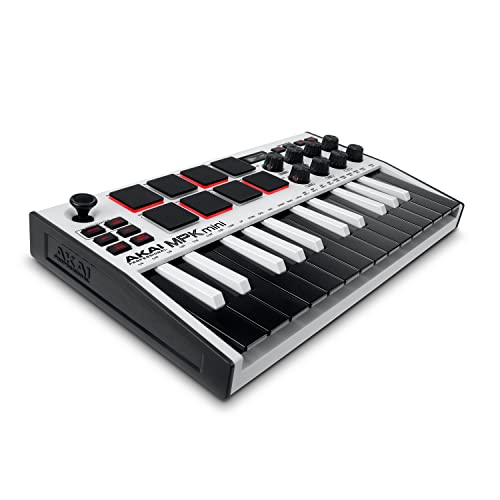
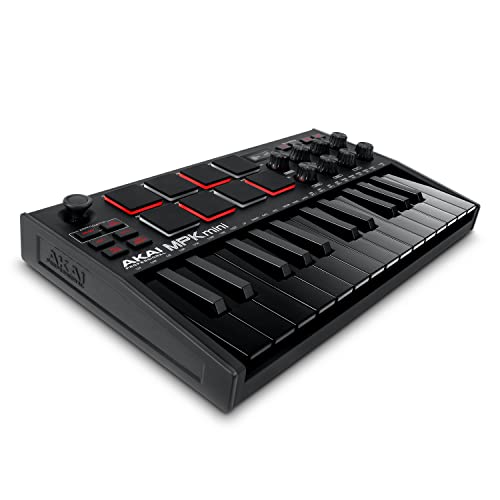
Best Value Compact Controller: Akai Professional MPK Mini MK3 25 Key USB MIDI Keyboard Controller With 8 Backlit Drum Pads, 8 Knobs, Music Production Software and Native Instruments Sound Package (NKS Integration)
$85.0 — Check price on Amazon →
Table of Contents
- Main Points
- Our Top Picks
- Akai Professional MPK Mini MK3 25 Key USB MIDI Keyboard Controller With 8 Backlit Drum Pads, 8 Knobs, Music Production Software and Native Instruments Sound Package (NKS Integration)
- Akai Professional MPK Mini MK3 25 Key USB MIDI Keyboard Controller With 8 Backlit Drum Pads, 8 Knobs, Music Production Software and Native Instruments Sound Package (NKS Integration), White
- Akai Professional MPK Mini MK3 25 Key USB MIDI Keyboard Controller With 8 Backlit Drum Pads, 8 Knobs, Music Production Software and Native Instruments Sound Package (NKS Integration), Black
- Akai Professional MPK Mini IV USB-C MIDI Keyboard Controller for Beginners and Producers - MPC Drum Pads, 360° Knobs, Pitch and Mod Wheels, Production Software, Native Instruments Sound Package, Grey
- Akai Professional MPK Mini Plus - USB MIDI Keyboard Controller with 37 Mini Keys, 8 MPC Pads, Sequencer, MIDI/CV/Gate I/O, Music Production Software and Native Instruments Sound Package
- Akai Professional MPK Mini IV USB-C MIDI Keyboard Controller for Beginners and Producers - MPC Drum Pads, 360° Knobs, Pitch and Mod Wheels, Production Software, Native Instruments Sound Package, Black
- Buying Guide
- Frequently Asked Questions
- Conclusion
Main Points
- Playability over specs: 25-key MPK Mini models are compact and great for sketching and finger-drumming, but the MPK Mini Plus (37 mini keys) gives you real two-hand range for parts you’ll keep in a song — choose key count based on whether you’re sketching beats or playing live keyboard parts.
- Hands-on controls make sessions faster: the MK3’s 8 backlit pads and 8 knobs (and the IV’s 360° knobs plus pitch/mod wheels) translate to fewer menu dives and more feel — pads that punch and knobs that click into place are what keep a groove alive in the studio.
- Watch connectivity and workflow: newer MPK Mini IV adds USB-C for rock-solid laptop setups, while the MPK Mini Plus brings MIDI/CV/Gate I/O and a sequencer if you’re integrating hardware. Investing in a controller that talks to your synths and modular gear speeds workflow more than extra software bundles.
- Latency and tracking really matter (especially live): when mixing guitar-to-MIDI or using guitar synths, accuracy is king — Roland’s GK pickups paired with Roland synths are widely favored for low latency and precise tracking (Reddit), whereas Fishman TriplePlay is easy to set up over USB but can show noticeable latency in some rigs (Reddit); similarly, Jamstik users report having to adapt technique to get perfect tracking.
- Match the tool to the job: pick a tiny MPK for portability and beat‑making, the IV if you want modern I/O and playability tweaks, and the Plus if you need real keys, hardware integration, and a sequencer. In short — prioritize feel, pads, and reliable connectivity before bells-and-whistles you’ll never touch during a session.
Our Top Picks



More Details on Our Top Picks
-
Akai Professional MPK Mini MK3 25 Key USB MIDI Keyboard Controller With 8 Backlit Drum Pads, 8 Knobs, Music Production Software and Native Instruments Sound Package (NKS Integration)
🏆 Best For: Best Value Compact Controller
At around $85, the Akai MPK Mini MK3 earns the "Best Value Compact Controller" tag because it distills everything a working musician needs into a palm-sized, session-ready package. It doesn’t try to be every controller under the sun — it gives you playable keys, tactile pads, and hands-on knobs in a layout that actually speeds up workflow. In real studio and rehearsal situations this thing behaves like a tiny, efficient control hub: quick to set up, light to carry, and sensible when you need to sketch ideas fast or run a compact live rig.
What matters most in day-to-day use are the playability and how the unit integrates into a session. The 25 mini keys are surprisingly snappy for two-handed sketching or melodic lines, the eight backlit pads respond well to finger dynamics for beat-making, and the eight assignable knobs make tweaking synth patches or plugin parameters immediate. The included software bundle and NKS compatibility get you into sounds fast, so you spend less time configuring and more time playing. USB bus power and a sustain input mean it’s plug-and-play whether you’re on a laptop or a small desktop setup.
Who should buy it? Producers who need a portable sketchpad, beatmakers who hammer out grooves with their hands, and gigging electronic musicians who want meaningful control without a road case. It’s also a great first controller for students and collaborators who want to move from idea to arrangement quickly. In sessions where space is limited — coffee shops, cramped studios, or stage risers — the MPK Mini MK3 is the go-to companion that doesn’t get in the way of the creative flow.
Honest caveats: the mini keybed will never satisfy a pianist who needs full-sized keys and big hand stretches, and the handful of knobs and pads can feel limiting if you’re trying to run a complex hardware rig or large controller template. Build quality is lightweight plastic — fine for daily transport but don’t treat it like a flight case. Still, for the price and compactness, those trade-offs are sensible for most working musicians.
✅ Pros
- Outstanding feature-to-price ratio
- Responsive pads and knobs for quick sessions
- Compact, travel-friendly footprint
❌ Cons
- Mini keys can feel cramped for big hands
- Limited onboard controls for complex setups
- Key Feature: 25-note compact MIDI keyboard, great value
- Material / Build: lightweight molded plastic chassis
- Best For: Best Value Compact Controller
- Connectivity: USB bus-powered, MIDI over USB, sustain jack
- Special Feature: 8 backlit pads, 8 knobs, NKS integration
-
Akai Professional MPK Mini MK3 25 Key USB MIDI Keyboard Controller With 8 Backlit Drum Pads, 8 Knobs, Music Production Software and Native Instruments Sound Package (NKS Integration), White
🏆 Best For: Best for Minimalist Setups
What earns the Akai MPK Mini MK3 the "Best for Minimalist Setups" slot is simple: it gives you everything you actually use in a tiny, road-ready package. As a working musician I want tools that disappear into the workflow — this keyboard does that. The 25-note layout, eight velocity pads, eight knobs and a small joystick cover the essential performance and production controls without wasting desk real estate. For bedroom producers, gigging guitarists running backing tracks, or travel rigs, its footprint and USB-power make it a genuinely practical companion.
In session use the MPK Mini MK3 punches well above its weight. The pads are snappy and playable for finger-drumming, the knobs feel smooth enough for on-the-fly sound shaping, and the joystick is more musical than a pair of tiny wheels for pitch and mod gestures. The built-in arpeggiator and the included software/NKS library mean you can sketch ideas fast — no digging through menus. At roughly an $85 price point, it’s one of the best “set-and-forget” controllers: plug it in, load a plugin, and start playing.
Who should buy this? Producers who need a portable, no-nonsense controller; players who prioritize workflow over full-size key action; and live performers who need compact hands-on control for synths and samples. It’s ideal for those sketching arrangements on the road, DJs adding melodic parts, and anyone using a laptop-centric setup where space is at a premium. It won’t replace a full-sized keyboard in a piano-centric studio, but it excels as a daily driver for everything else.
Honest caveats: the mini keys limit dynamic nuance compared to full-sized or semi-weighted keys, and the limited number of physical controls means you’ll be banking or switching assignments during complex sessions. The shell is lightweight plastic — great for portability but less reassuring than metal when you’re rough with gear. None of these are dealbreakers for its intended use, but know what you’re trading for the compactness.
✅ Pros
- Ultra-compact, easy to travel with
- Pads and joystick are very playable
- Great software/NKS bundle included
❌ Cons
- Mini keys limit expressive playing
- Few dedicated controls; requires switching
- Key Feature: 25 mini keys, 8 pads, 8 knobs
- Material / Build: Lightweight plastic chassis
- Best For: Best for Minimalist Setups
- Size / Dimensions: Compact — approx 11.7" x 7.1" x 2.3"
- Special Feature: Built-in arpeggiator and NKS integration
-
Akai Professional MPK Mini MK3 25 Key USB MIDI Keyboard Controller With 8 Backlit Drum Pads, 8 Knobs, Music Production Software and Native Instruments Sound Package (NKS Integration), Black
🏆 Best For: Best for Classic Black Setup
It earns the "Best for Classic Black Setup" tag because it disappears into the studio the way a well-worn guitar strap does — matte-black, compact, and unobtrusive. On a crowded desktop between monitors or perched on a small pedalboard, the MPK Mini MK3 looks like it belongs: everything you need for sketching ideas, finger-drumming, and basic performance lives in that satin-black shell, and that cohesion matters when you're trying to keep a session feeling focused and professional.
Playability is where this little box punches above its weight. The 25 synth-action keys are springy but responsive, great for stabs, leads, and quick MIDI comping; the eight backlit pads translate finger dynamics nicely and are immediate for building beats. Eight assignable knobs give hands-on control over synth parameters and mixer channels, and the joystick/arp combo adds playful modulation without menu diving. In real sessions the bundled NKS-compatible sounds and production software mean you can go from open laptop to musical idea in minutes, and the USB power keeps it road-light and simple.
If you record in small spaces, gig with a stripped-down rig, or need a travel-friendly controller that matches a black rig aesthetic, this is for you. Producers who live for sketching and beat-making will love the pad layout and quick mapping, while singer-songwriters and electronic performers will appreciate the compactness for live use. It isn't a replacement for a full-sized keybed, but it's a reliable companion for starters and seasoned pros who want something immediate and unobtrusive.
Honest caveats: the 25-key range limits two-hand voicings and extended piano work, and the keys are more synthy than expressive compared with larger controllers. The chassis is lightweight plastic — great for portability, less reassuring for people who like a heavy, studio-grade feel. Also, if you need a 5-pin MIDI out for older gear, this model won’t cover that — it’s USB-centric by design.
✅ Pros
- Compact, road-friendly footprint
- Responsive backlit pads for finger drumming
- Great DAW and NKS software bundle
❌ Cons
- Only 25 compact synth-action keys
- Knobs feel plasticky, limited travel
- Key Feature: 25 velocity-sensitive keys, 8 backlit pads, 8 knobs, arpeggiator
- Material / Build: Lightweight ABS plastic with rubber pads, matte-black finish
- Best For: Best for Classic Black Setup
- Size / Dimensions: Approximately 11.4 × 6.3 × 1.9 inches
- Connectivity: USB-MIDI (class-compliant), sustain input; no 5‑pin MIDI out
- Special Feature: NKS integration and bundled production software
-
Akai Professional MPK Mini IV USB-C MIDI Keyboard Controller for Beginners and Producers - MPC Drum Pads, 360° Knobs, Pitch and Mod Wheels, Production Software, Native Instruments Sound Package, Grey
🏆 Best For: Best for USB-C Connectivity
What earns the Akai Professional MPK Mini IV the "Best for USB-C Connectivity" slot is simple: it removes one of the little, persistent annoyances in modern sessions — adapters, flaky micro-USB cables, and awkward plugs. The MPK Mini IV gives you a bus-powered USB-C connection that just works with laptops, tablets, and USB-C hubs; in a live changeover or a laptop-based studio day the result is fewer dropped connections and faster setup. At $99.99, it’s a compact 25-key workflow tool that finally feels like it belongs in the pocket of a touring producer rather than the drawer full of old cables.
On the desk, the controller punches above its size. The 25 synth-action keys are snappy and excellent for quick lead lines, bass stabs, and chord sketches — not a piano, but wonderfully responsive for synth programming. The MPC-style pads are velocity-sensitive and immediate, great for finger-drumming or launching clips, and the 360° assignable knobs let you sweep filters and automate plugins without hunting through menus. Pitch and mod wheels are a welcome, expressive touch for live tweaking. The included Native Instruments sound package and production software mean you can sit down and make music quickly, which is where gear either helps or gets in the way — this one helps.
If you’re a bedroom producer, traveling musician, or someone who sketches ideas on a laptop or iPad, this is an obvious buy. It’s particularly useful when you need a reliable, low-friction connection onstage or in collaborative studio rooms where people bring different laptops. It’s also a solid starter controller for beatmakers who want pads and knobs in a single, pocketable unit. Conversely, if you do long-form piano practice or need full-size keys and weighted action, look elsewhere.
Honest caveats: the keys are compact and a touch springy — excellent for fast playing but limited for nuanced piano work. The chassis is lightweight plastic; it survives travel but won’t fool you into thinking it’s a road-worn Korg or Nord. Pads are very playable, but they’re smaller than what you get on dedicated pad controllers, so finger-drum aficionados might feel cramped.
✅ Pros
- Reliable USB-C bus power and low latency
- Compact 25-key footprint for portable workflows
- Responsive MPC pads and 360° assignable knobs
❌ Cons
- Small keys limit expressive piano playing
- Pads smaller than dedicated pad controllers
- Key Feature: USB-C connectivity for reliable plug-and-play
- Material / Build: Lightweight ABS plastic chassis, travel-friendly
- Best For: Best for USB-C Connectivity
- Size / Dimensions: 25-key compact footprint, fits laptop bag
- Connectivity: USB-C bus-powered, MIDI over USB
- Special Feature: MPC pads, 360° knobs, pitch and mod wheels
-
Akai Professional MPK Mini Plus - USB MIDI Keyboard Controller with 37 Mini Keys, 8 MPC Pads, Sequencer, MIDI/CV/Gate I/O, Music Production Software and Native Instruments Sound Package
🏆 Best For: Best for Modular Integration
The Akai Professional MPK Mini Plus earns the "Best for Modular Integration" slot because it doesn’t treat modular rigs like an afterthought — it ships with proper MIDI/CV/Gate outputs and a usable onboard sequencer so you can actually clock and pitch your Eurorack from a compact keyboard. In sessions where I need to sketch ideas away from the main rack or bring a little modular flavor to a laptop-based workflow, the Plus is the piece that bridges both worlds without fuss. It’s one of the few sub-$200 controllers that lets you patch, sequence, and play from the same box.
On paper the highlights are its 37 mini keys, eight MPC-style pads, assignable encoders and the obvious MIDI/CV/Gate I/O. In practice that means I can run a bassline into a filter via CV while sending MIDI to a soft synth, all while playing the same controller and recording the performance to my DAW. The pads are punchy enough for finger-drumming and cueing samples, and the built-in sequencer is a proper sketchpad — I’ve used it to generate modular patterns that I wouldn’t have thought of sitting at a piano. The bundled software gives you quick sounds to work with, but it’s the hardware I reach for first when I want movement and interactivity in a session.
This is for the hybrid player — producers who live half-in-the-box and half-in-hardware, modular owners who need a compact controller, and gigging musicians who want a portable performance hub. If you run patches on a Eurorack, play lead lines on compact keys, or need something that toggles between sketching and performing quickly, the MPK Mini Plus is a practical, immediate tool. It’s especially useful when you want to lock your modular to a groove without hauling a full keyboard or a laptop into the room.
Fair warning: the mini keys are playable and expressive, but they’ll frustrate pianists who need full-size travel and wide voicings. The chassis is lightweight plastic — fine for studio duty and road-light gigs, but not bomber-rack durable. Also, CV implementations vary across modules, so you may need to tweak levels or patch in utility modules for perfect tracking. Still, those trade-offs come with the territory for a device this compact and affordably priced.
✅ Pros
- Built-in CV/Gate outputs
- Standalone sequencer for quick sketches
- Compact 37 mini keys and responsive pads
❌ Cons
- Mini keys limit wide-voiced playing
- CV levels may require calibration
- Key Feature: MIDI/CV/Gate I/O with onboard sequencer
- Material / Build: Lightweight plastic chassis, rubber pads
- Connectivity: USB, 5-pin MIDI, 3.5mm CV/Gate outputs
- Best For: Best for Modular Integration
- Size / Dimensions: Compact desktop footprint, travel-friendly
- Special Feature: 8 MPC pads and assignable encoders
-
Akai Professional MPK Mini IV USB-C MIDI Keyboard Controller for Beginners and Producers - MPC Drum Pads, 360° Knobs, Pitch and Mod Wheels, Production Software, Native Instruments Sound Package, Black
🏆 Best For: Best for Live Performance
This little Akai MPK Mini IV earns the "Best for Live Performance" badge because it gives you the hands-on controls you actually reach for onstage without taking up half your table. Its tight, performance-focused layout — compact keys, MPC-style pads, 360° endless knobs and dedicated pitch/mod wheels — lets you trigger samples, tweak filters and bend lines in real time. For anyone who rigs a laptop and wants immediate tactile control between songs, it’s a gem: quick to map, quick to react, and small enough to throw into a gig bag between sets.
In practice the pads are the star for live use — snappy, velocity-sensitive and sized for finger drumming while you sing or twist knobs. The 360° knobs are continuous and smooth, perfect for sweeping effects or scrolling through presets mid-set without stepping into clunky MIDI mapping. USB‑C bus power keeps the setup tidy and stable, and the included production/NI sound bundle gets you usable tones out of the box so you’re not scrambling with presets at soundcheck.
Buy this if you need expressive, portable control for live electronic sets, beat‑driven performances, or as a compact backup controller for a larger rig. It’s ideal for producers who gig, mobile performers, and students who want a real performance instrument rather than a purely studio toy. At its price it’s also a great road-ready second controller for pros who want something reliable to leave on stage for quick edits and sample launches.
Fair warning: the mini keys are playable but cramped — not a replacement for a full-sized keyboard if you do a lot of two-handed playing. Also, the control set is intentionally minimal; if your live setup demands dozens of knobs and faders you’ll be layering banks and switching maps mid-set, which adds complexity. The pads are excellent for the price but don’t quite match the feel of Akai’s high-end MPC hardware.
✅ Pros
- Compact, road-ready footprint
- 360° knobs for smooth live tweaks
- Responsive MPC-style pads
❌ Cons
- Small keys limit two-handed playing
- Limited physical controls for complex rigs
- Key Feature: MPC-style pads, 360° knobs, pitch and mod wheels
- Material / Build: Lightweight plastic chassis, tactile rubber pads
- Best For: Best for Live Performance
- Size / Dimensions: Ultra-compact; fits on a small gig table
- Connectivity: USB-C bus-powered; class-compliant MIDI over USB
- Special Feature: Includes production software and NI sound pack
Factors to Consider
Frequently Asked Questions
What is a MIDI guitar controller and how is it different from a regular electric guitar?
A MIDI guitar controller converts your playing into MIDI data to control synths, samplers, and DAW instruments rather than producing sound through guitar pickups and an amp. Some controllers are built into actual guitars (13-pin-equipped instruments or GK-pickup guitars), while others are standalone or USB-based devices; the playing technique can be similar, but tracking systems and latency become important differences.
Can I use a MIDI guitar controller for live performance?
Yes — but choose your setup carefully. Low-latency systems like Roland’s GK pickup paired with Roland synths are preferred for live use because of their consistent accuracy and responsiveness, while USB-only solutions like the Fishman TriplePlay can be excellent in the studio but have reported latency that may be problematic on stage.
Which MIDI guitar controller has the lowest latency?
Generally, hardwired solutions and vendor-native setups lead the pack; players on forums routinely point to Roland’s GK pickup + Roland synth combos (like the GR-55) for very low latency and accurate tracking. USB systems can be plenty useful, but the Fishman TriplePlay, while convenient, has been noted by users to show noticeable latency in some situations.
Do I need a special pickup to use guitar synths?
Often yes — many reliable guitar-synth setups require specialized pickups. Roland GK-style pickups are purpose-built for synth tracking and are known for accuracy and low latency; some guitars, like the Godin Multiac SA Slimline, even come with a built-in 13-pin connector to plug straight into Roland gear for the best integration.
Is the Fishman TriplePlay a good choice for studio work?
It can be great for studio workflows because it’s USB-based and quick to set up, making it easy to layer synths and textures during a session. Just be mindful: players report that the TriplePlay can exhibit noticeable latency depending on your system and buffer settings, so test it with your DAW and session templates before committing it to a tracking night.
How does the Jamstik compare to a traditional electric guitar for MIDI use?
The Jamstik doubles as a playable electric-style instrument and a MIDI controller, which is invaluable for practice and sketching ideas without a full rig. That said, users say it sometimes requires a change in playing technique to get accurate tracking, so expect a learning curve if you’re coming from a traditional electric guitar.
Are there budget MIDI guitar controllers worth buying?
Yes — devices like the Artiphon Instrument 1 are great for experimenting with new sounds and performance techniques on a limited budget, but some players find their feel less convincing than a full-scale guitar. If you need rock-solid tracking for recording or gigging, spending more on proven systems (or a 13-pin-equipped guitar) is usually the smarter long-term choice.
Conclusion
If you need tight, reliable performance for studio and stage, my pick is a Roland-compatible solution — a GK pickup into a Roland synth (or a 13-pin-equipped guitar like the Godin Multiac) gives the best tracking and lowest latency. If you want quick USB setup for home production, Fishman’s TriplePlay or a Jamstik are excellent for creativity — just audition them in your actual rig to check latency and feel before you commit.