Best Condenser Microphones For Everyday Use
As a working musician and studio engineer I can tell you a condenser mic will reveal the personality of a voice or instrument in a way dynamic mics simply can't — that detail is why condensers are staples in pro sessions. Condenser microphones are known for their ability to capture high‑fidelity details of vocals and instruments, and there really is something for every budget (MusicRadar points out the market spans entry‑level to pro gear). Below I break down five everyday options — from portable USB workhorses to the RØDE NT1’s famously low self‑noise — and explain how they behave in real tracking rooms, not just on paper. If you want a mic that sits in a mix and survives real takes, these are the practical choices I reach for most days.
⚡ Quick Answer: Best Guitar Pedals
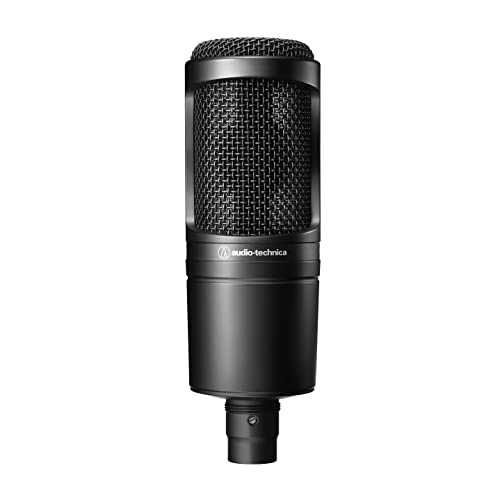
Best Affordable Studio Mic: Audio-Technica AT2020 Cardioid Condenser Studio XLR Microphone, Ideal for Project/Home Studio Applications, Black
$119.0 — Check price on Amazon →
Table of Contents
- Main Points
- Our Top Picks
- Audio-Technica AT2020 Cardioid Condenser Studio XLR Microphone, Ideal for Project/Home Studio Applications, Black
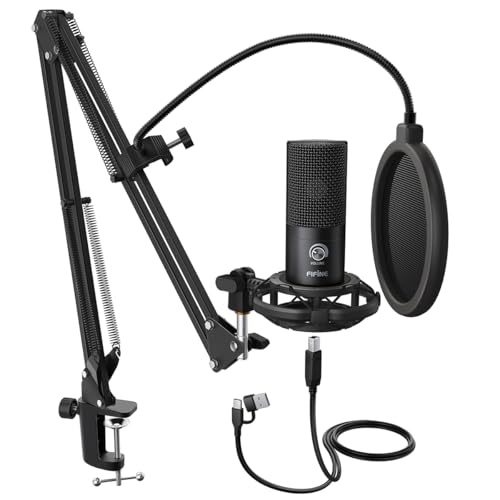
- FIFINE Studio Condenser USB Microphone Computer PC Microphone Kit with Adjustable Boom Arm Stand Shock Mount for Instruments Voice Overs Recording Podcasting YouTube Vocal Gaming Streaming-T669
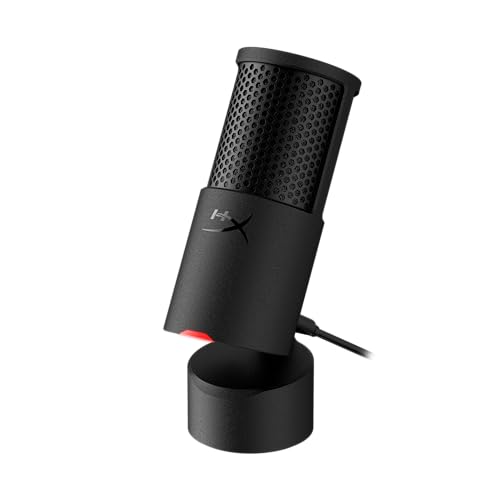
- HyperX SoloCast 2 – Gaming USB Condenser Mic for PC, USB-C to USB-A, Built-in Pop Filter, Internal Shock Mount, Plug and Play, 24-bit / 96kHz, Compact Tiltable Stand – Black
- Amazon Basics USB Condenser Microphone for Streaming, Recording, and Podcasting on PC, Plug and Play, Cardioid Pickup, Adjustable Stand with 360° Rotation, Clear Sound, 5.8 x 3.4 inches, Black
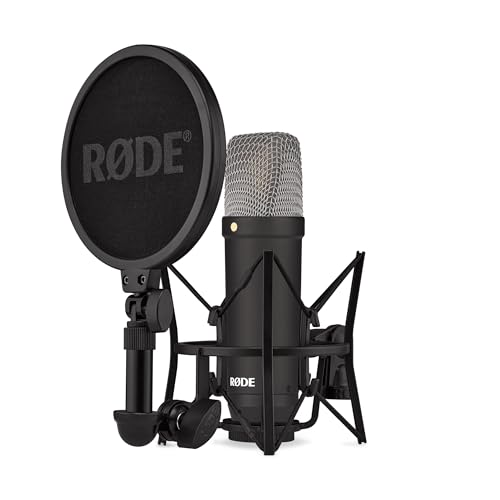
- RØDE NT1 Signature Series Large-Diaphragm Condenser Microphone with Shock Mount, Pop Filter and XLR Cable for Music Production, Vocal Recording, Streaming and Podcasting (Black)
- Buying Guide
- Frequently Asked Questions
- Conclusion
Main Points
- USB vs XLR is a workflow choice, not a sound compromise: USB mics (FIFINE T669, HyperX SoloCast 2, Amazon Basics) are brilliant for streaming, podcasting, and quick demos because they’re plug‑and‑play and often include mounts/pop filters. They save setup time but you trade off the mic‑pre control, upgrade path, and stereo miking flexibility you get with XLR rigs.
- For tracking lead vocals and detailed acoustic work, choose a large‑diaphragm XLR condenser — the RØDE NT1 is a standout thanks to its very low self‑noise (ideal for intimate takes) while the Audio‑Technica AT2020 gives you a punchy, affordable XLR option that handles louder sources well. Both still need a decent preamp and a treated room to shine.
- Match mic sensitivity and frequency response to the source: experts recommend this first — a bright mic will emphasize sibilance on certain singers, while a warmer, less sensitive capsule is kinder to close miking. In practice that means testing placement (2–6 inches, angle off‑axis) and listening for proximity effect and top‑end air before committing.
- Budget and aspiration coexist — there are condenser mics for every wallet (as MusicRadar and retailers like Guitar Center show), so decide if you want a long‑term studio centerpiece or a reliable, inexpensive workhorse. If you’re dreaming of studio standards, remember names like the Neumann U87 or TLM 103 set the bar; AKG’s C214 is a commonly recommended C414 alternative for people who want professional flavor on a tighter budget.
- Think practical session ergonomics: look for included accessories (FIFINE’s arm/shock mount kits save money), onboard features (HyperX’s internal shock and pop helps live streams), and whether you’ll need extra gear (XLR preamp, shock mount, pop shield). In the studio I prioritize how a mic responds to real performance — does it sit in the mix without combing or harshness, and does it make the performer comfortable? That’s the buying test I use.
Our Top Picks

More Details on Our Top Picks
-
Audio-Technica AT2020 Cardioid Condenser Studio XLR Microphone, Ideal for Project/Home Studio Applications, Black
🏆 Best For: Best Affordable Studio Mic
The Audio-Technica AT2020 earns the "Best Affordable Studio Mic" tag because it gives you studio-grade tone and rugged reliability without asking for a mortgage. At around $119, it sits in a sweet spot where the sound is recognizably better than cheap condensers: clear midrange, controlled top end, and a tight, usable character that sits in a mix instead of fighting for attention. In my tracking room it consistently delivers a natural vocal presence and translates well to both DI-less singer-songwriters and louder band situations.
On paper it’s a cardioid, side-address condenser with an all-metal body — in the room that translates into a mic that’s forgiving of imperfect technique and tough enough to live on the top of a mic stand for years. The capsule’s transient response gives acoustic guitars and overheads a crisp, articulate quality; vocals come through with a forward, intimate tone that doesn’t feel overly processed. Practically, it pairs well with modest preamps, so you don’t need top-shelf outboard gear to get usable takes. I’ve used it on scratch vocals, acoustic guitars, and room mics in many sessions where quick, reliable capture mattered more than chasing a vintage vibe.
Who should buy it? Musicians building a first serious rig, podcasters who want a step-up sound, project-studio owners needing dependable mics for tracking, and working pros who need solid backup mics on tour or in the studio. If you record at home, do livestreams, teach online, or need extra mics for overdubs and demos, the AT2020 gives you consistent, mix-ready tracks fast — which is often more valuable than chasing ideal gear during a session.
Honest caveats: it’s not a boutique large-diaphragm tube mic — it won’t add that “golden” air some engineers chase. It also has a fairly pronounced proximity effect and can emphasize sibilance or boxiness if mic placement is sloppy. Finally, you’ll need decent preamps and phantom power to get the best out of it; paired with a weak interface, the mic can sound thin.
✅ Pros
- Excellent tone-to-price ratio
- Durable all-metal construction
- Clear transient response and detail
❌ Cons
- Requires phantom power and good preamps
- Can exaggerate sibilance and proximity effect
- Key Feature: Affordable cardioid condenser for studio use
- Connectivity: XLR (requires 48V phantom power)
- Material / Build: Rugged all-metal body and grille
- Best For: Best Affordable Studio Mic
- Size / Dimensions: ~162 mm length, ~52 mm diameter
- Special Feature: Low-mass diaphragm for clear detail
-
FIFINE Studio Condenser USB Microphone Computer PC Microphone Kit with Adjustable Boom Arm Stand Shock Mount for Instruments Voice Overs Recording Podcasting YouTube Vocal Gaming Streaming-T669
🏆 Best For: Best Complete Starter Kit
What earns the FIFINE T669 the "Best Complete Starter Kit" slot isn't a single superstar spec — it's the honest, studio-adjacent experience it delivers right out of the box. For $39.99 you get a metal-bodied condenser, a boom arm, shock mount and pop filter that actually work together in a way that makes tracking vocals or acoustic guitar feel like less of a hassle and more like a focused session. As a working musician who has balanced hundred-dollar sessions and bedroom demos, I respect gear that reduces friction; the T669 turns a laptop corner into a usable vocal booth in minutes.
Practically speaking, the T669 gives you the essentials: a cardioid condenser capsule that emphasizes midrange presence, a desk/boom mount that lets you lock in mic position, and a pop filter/shock mount combo that trims handling and plosive problems. Plug-and-play USB means no interface, no drivers, no guesswork — you can jump from rehearsal to record quickly. In real sessions this translates to vocals and fingerpicked acoustics that sit forward in a mix without a lot of post-processing. The shock mount and arm noticeably reduce thumps and desk rumble, so your takes stay usable instead of garbage.
Who should buy this? Singer-songwriters, podcasters, streamers, students, and anyone building their first home studio who values speed and convenience over studio-grade fidelity. It's perfect for quick demos, voice-overs, Zoom calls that need to sound professional, and capturing DI-adjacent acoustic ideas. If you write and record in less-than-ideal rooms, the mic's cardioid focus helps reduce room noise when paired with simple treatment or a reflection filter.
Honest caveats: don’t expect low-noise, pristine studio capture at pro release quality. The preamp and internal electronics show their price in higher self-noise and limited headroom — push it into loud dynamics and you’ll hear compression and edge. Also, USB-only connectivity limits integration into larger setups; if you plan to track full bands or want an XLR chain and external preamps, you’ll outgrow this quickly. But for fast, reliable single-source tracking, it’s remarkably good for the money.
✅ Pros
- Complete accessories included — boom, shock, pop filter
- Plug-and-play USB for instant setup
- Forward midrange suits vocals and acoustic guitar
❌ Cons
- USB-only; no XLR or analog output
- Higher self-noise in quiet rooms
- Key Feature: Full starter kit value at a budget price
- Material / Build: Metal-bodied mic with accessory hardware
- Best For: Best Complete Starter Kit
- Size / Dimensions: Compact desktop mic with adjustable boom arm
- Connectivity: USB plug-and-play, single-cable workflow
- Special Feature: Cardioid pickup for focused source capture
-
HyperX SoloCast 2 – Gaming USB Condenser Mic for PC, USB-C to USB-A, Built-in Pop Filter, Internal Shock Mount, Plug and Play, 24-bit / 96kHz, Compact Tiltable Stand – Black
🏆 Best For: Best for Streamers & Gamers
What earns the HyperX SoloCast 2 the "Best for Streamers & Gamers" nod is its focus on ease and voice-forward tone. In a streaming session you want something that sits instantly in the mix and doesn't require an engineering session to sound good — SoloCast 2 does that. The cardioid capsule is voiced for close-up speech, the built-in pop filter tames plosives, and the internal shock mount takes the sting out of desk thumps. For under sixty bucks you get 24-bit/96kHz capture and a plug‑and‑play USB-C connection that gets you live without drivers or fiddling.
On a practical level this mic is about predictable results. The tilt stand and compact footprint let you place it tight to the mouth so the presence boost cuts through game sound and music beds; that means less EQ and less boosting in your stream mix. The tap-to-mute and LED are simple but essential live tools — one touch mutes your feed without rummaging through software. I found spoken word is crisp and articulate, with forward mids that make chatter intelligible at lower bitrates. It will, however, pick up noisy keyboards if you sit back from it — placement matters.
Who should buy this? Streamers, gamers, podcasters, online teachers and creators who need a no‑drama mic that sounds markedly better than headset mics. It’s also great as a travel or secondary mic for live-streamed rehearsals and quick remote takes where you don’t want to haul an interface. If you’re a singer seeking lush, studio‑grade warmth or an engineer who needs XLR flexibility and internal DSP, this isn’t your primary studio vocal mic — but for everyday broadcast-style use it’s a huge step up.
Honest caveats: SoloCast 2 is designed around convenience, not expandability. There’s no XLR out for high‑end preamps, no onboard gain knob, and the plastic build feels light compared with pro hardware. The internal shock mount helps, but heavy desk vibration or a loud mechanical keyboard will still bleed through. Also, the forward mid emphasis can accentuate sibilance on some voices, so you may need a quick de-esser in your chain for singing or bright talkers.
✅ Pros
- Plug-and-play USB-C simplicity
- Clear, upfront vocal presence
- Built-in pop filter and shock mount
❌ Cons
- No XLR or upgrade path
- Can pick up mechanical keyboard noise
- Key Feature: 24-bit / 96kHz USB-C plug-and-play capture
- Polar Pattern: Cardioid — voiced for close-up speech
- Material / Build: Lightweight plastic chassis, internal shock mount
- Best For: Best for Streamers & Gamers
- Size / Dimensions: Compact desktop footprint, tiltable stand
- Special Feature: Tap-to-mute with LED status indicator
-
Amazon Basics USB Condenser Microphone for Streaming, Recording, and Podcasting on PC, Plug and Play, Cardioid Pickup, Adjustable Stand with 360° Rotation, Clear Sound, 5.8 x 3.4 inches, Black
🏆 Best For: Best for Budget Beginners
This Amazon Basics USB Condenser earns the "Best for Budget Beginners" spot because it delivers immediate, usable sound for next-to-no money. At roughly $21, it removes the two biggest barriers for newcomers: cost and setup friction. Plug it into a laptop, point the cardioid capsule at the source, and you’ve got a live voice or demo-ready signal — no interface, phantom power, or engineering degree required. For a working musician who needs quick reference takes, phone interviews, or a low-stakes livestream mic, that simplicity is gold.
In real sessions the mic behaves like a polite, forward little condenser. Vocals sit up in the midrange without having to ride EQ, which is exactly what podcasters and streamers want; spoken word is clear and direct. For guitars it handles strummed and rhythm parts adequately — good transient attack but limited high-end shimmer and low-end weight. The included adjustable stand rotates 360° and makes positioning on a desk effortless, and the USB plug-and-play connectivity means zero driver headaches on most PCs. You won’t get fat studio sheen, but you will get consistent, ready-to-record takes.
Buy this if you’re a student, streamer, podcaster, or singer-songwriter who needs an instant home solution for demos and practice. It’s perfect for rehearsals, sketching ideas on the road, or capturing voice notes and quick demo vocal tracks. If your workflow demands portability and speed over nuance — or you're setting up a first-time livestream rig — this mic hits the practical sweet spot.
Be honest: this is not a replacement for a quality large-diaphragm condenser in a treated room. The build is mostly plastic, the high end can sound thin or slightly harsh on sibilant sources, and there’s no shockmount, pop filter, pad, or versatile polar options. Expect a higher noise floor and limited dynamic range compared with even inexpensive XLR condensers. That said, in the right context — quiet room, simple sources, and realistic expectations — it’s an impressive bargain for the price.
✅ Pros
- Incredibly low price
- True plug-and-play USB convenience
- Compact stand with 360° rotation
❌ Cons
- Thin high-frequency detail
- No shockmount or pop filter
- Key Feature: Plug-and-play USB simplicity and affordability
- Connectivity: USB-A direct to PC, no drivers usually needed
- Material / Build: Lightweight plastic body, metal grille
- Polar Pattern: Cardioid pickup, good on-axis focus
- Size / Dimensions: 5.8 x 3.4 inches (compact desktop footprint)
- Special Feature: Adjustable 360° rotating desk stand included
-
RØDE NT1 Signature Series Large-Diaphragm Condenser Microphone with Shock Mount, Pop Filter and XLR Cable for Music Production, Vocal Recording, Streaming and Podcasting (Black)
🏆 Best For: Best for Pristine Vocals
The RØDE NT1 Signature earns the "Best for Pristine Vocals" spot because it does one thing exceptionally well: it captures a voice with surgical clarity and almost no self-noise. In real sessions that clarity translates to workable takes — you can hear breath, toothiness, and the tiniest consonant detail without a distracting noise floor. For singers who want their performance to sit in a mix without heavy EQ surgery, the NT1 gives you a clean, open canvas that preserves the personality of the voice.
Under the hood it's a large-diaphragm cardioid condenser built for detail. The sonic character is a smooth, present midrange, an airy but controlled top end, and a tight low response that avoids boominess at typical close-mic distances. Practically speaking, the included shock mount and pop filter cut mechanical rumble and plosives right away, and the supplied XLR cable gets you tracking quickly. In the studio it responds beautifully to dynamics — push harder for a warm edge, back off for a silky intimate take — and it translates superbly to acoustic guitar and close-mic storytelling for podcasts.
This is the mic I reach for when I need a vocal take I can drop into a mix and tweak minimally. Home studio singers, small-producers, streamers, and podcasters who want pro-level clarity without breaking the bank will find it a reliable workhorse. It’s ideal for close-miked performance and controlled environments — think vocal booths, treated closets, and acoustic rooms where detail matters more than character.
Fair warning: the NT1 rewards a good preamp and 48V phantom power — plugged into a weak interface it can sound flat. There’s no pad or high-pass switch, so very loud sources can be awkward to tame. Also, if you like a warm, colored vintage vibe out of the box, this one is fairly neutral and clinical; you’ll want outboard coloring or mic placement tricks to get that vibe.
✅ Pros
- Ultra-low self-noise for quiet recordings
- Natural, detailed midrange for vocals
- Includes shock mount, pop filter, XLR
❌ Cons
- No pad or high-pass filter
- Needs good preamp and 48V phantom
- Key Feature: Ultra-low self-noise, pristine detail
- Material / Build: Solid metal body with included shock mount
- Best For: Best for Pristine Vocals
- Size / Dimensions: Large-diaphragm, standard studio mic footprint
- Connectivity: XLR output, requires 48V phantom power
- Special Feature: Ships with pop filter and XLR cable
Factors to Consider
Frequently Asked Questions
What's the main difference between condenser and dynamic microphones?
Condenser mics use a charged diaphragm and backplate to capture sound and are much better at recording high‑fidelity detail and fast transients, whereas dynamics are tougher and handle loud sources. In practice I reach for condensers for vocals and acoustic instruments when I want clarity and nuance, and pull out dynamics for guitar cabs, drums, or noisy stages.
Which condenser is best for everyday vocal use?
For everyday use you want a mic that’s forgiving but detailed: the Rode NT1A is a perennial recommendation thanks to its low self-noise and affordability, making it ideal for beginners and home studios. If your budget allows and you want a studio standard, the Neumann U87 is widely regarded as a go‑to for vocals in professional environments.
Can I use a condenser mic on a guitar amp or should I use a dynamic?
Yes — condensers can be excellent on guitar amps when you want to capture more air and harmonic detail, but they’re more sensitive and can pick up bleed and room sound. For tight, punchy tones I still reach for a dynamic on loud cabs, then blend in a condenser if I need the top-end sparkle and body from a distance.
Do I need phantom power for condenser microphones?
Most condenser mics require 48V phantom power to operate, so make sure your audio interface or preamp supplies it. Some vintage-style condensers and tube models have different power needs, but as a rule of thumb modern condensers like the AKG C214 and Rode NT1A expect phantom at the preamp.
How important is microphone sensitivity and frequency response?
Very important — experts recommend checking sensitivity and frequency response when matching a mic to a source because they determine how transients and tonal balance are captured. I always review a mic’s response curve before tracking: a mic with a presence boost can save EQ time on vocals, while a flatter response is preferable for detailed acoustic work.
Are expensive condenser mics always worth it?
Not always — there are great budget options that cover a lot of day-to-day recording needs, and MusicRadar notes that condenser microphones exist for every budget. That said, pro classics like the Neumann U87 or TLM 103 deliver a combination of character, build, and consistency that pays off in high-end sessions and commercial work.
Which brands should I be looking at if I want reliability and tone?
Look at Neumann, AKG, Rode, Audio‑Technica, and Aston as starting points — these brands consistently appear in studio racks and retailer lists like Guitar Center. For everyday users, Rode and Audio‑Technica offer great value and low noise options; for a pro investment, Neumann’s U87 and TLM 103 are studio standards.
Conclusion
In short: pick a mic that matches your room and primary sources — a Rode NT1A is a smart, quiet first mic, the AKG C214 is a flexible budget workhorse, and a Neumann (U87/TLM 103) is the go-to if you need a pro staple. Treat your mic like a player in the room: the right choice makes tracking faster and mixes sound more alive.