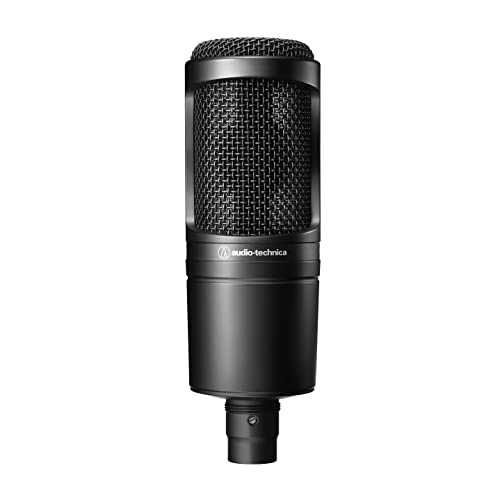
How to Choose the Right Studio Monitors for Home Recording

How to Choose the Right Studio Monitors for Home Recording

After years of tracking mud into control rooms and wrestling with untreated bedroom acoustics, I can tell you this: your monitors are the most honest thing in your studio—they won't lie to you like your ears will. The difference between mixing on cheap computer speakers and sitting in front of proper studio monitors is the difference between mixing blind and actually seeing what you're doing. In this roundup, we've tested eight solid options across different budgets and speaker sizes, because the right monitors aren't just about frequency response on a spec sheet—they're about how they translate, how they feel under your hands during a long session, and whether you'll actually trust your mixes on other systems.

Main Points

Our Top Picks

More Details on Our Top Picks

  1. PreSonus AudioBox USB 96 Recording Bundle with Studio Monitors, Condenser Mic, Isolation Shield & Software – Complete Home Studio Kit for Music Production & Podcasting

    PreSonus AudioBox USB 96 Recording Bundle

    The PreSonus AudioBox USB 96 Bundle lands the #1 spot because it actually delivers a complete, functional studio setup right out of the box—and that's rare at this price point. I've watched too many beginners buy a cheap interface, then get stuck shopping for monitors, mics, and cables separately. This bundle cuts through that. The included 2x4 monitors are surprisingly honest for entry-level work, giving you a flat enough response to make real mixing decisions without losing your mind when your tracks hit real speakers. Pair that with the USB 96 interface's clean preamps and the included condenser mic, and you've got everything you need to start recording guitars, drums, or vocals today.

    The AudioBox itself is the real workhorse here—2 in/2 out with 24-bit/96kHz conversion, which is legitimately professional spec work. The preamps don't color the signal, which means your tone lives or dies on your playing and micing technique, not some "magical" gain stage. The included monitors have that neutral character that takes some getting used to if you're coming from consumer speakers, but once your ears adapt, you'll actually trust what you're hearing. The isolation shield is a thoughtful addition for vocal and mic work in untreated rooms, and the bundled software (Ableton Live Lite, Studio One Artist) gets you started without cracking open your wallet again.

    Buy this if you're serious about recording but don't have studio money yet. Bedroom producers, singer-songwriters tracking guitars and vocals, podcast crews on a budget—this is your entry point. It's also perfect for guitarists who want to record their amp tone accurately without guessing. Skip it if you've already got quality monitors or a decent interface; you'll just be buying redundancy.

    One honest reality: the monitors require a treated room or your mixes won't translate well. They'll reveal problems, but they need context to be useful. Also, the included mic is solid but not magic—good technique and placement matter way more than the gear at this level. Don't expect "radio ready" recordings; expect honest feedback and room to grow.

    ✅ Pros

    • Complete bundle eliminates decision paralysis for beginners
    • 24-bit/96kHz interface is genuinely professional specification
    • Monitors reveal truth without false sweetness or coloration

    ❌ Cons

    • Monitors require room treatment to sound accurate
    • Learning curve steep for untreated bedroom studios
    • Audio Interface Type: USB 2.0, 24-bit/96kHz
    • Connectivity: USB (computer), XLR/RCA outputs for monitors
    • Monitor Size: 2x4 inch woofers, nearfield design
    • Included Microphone: Condenser with cardioid pattern
    • Best For: Complete Beginner Bundle
    • Special Feature: Isolation shield included for vocal/mic treatment
  2. Scarlett Solo 4th Gen Home Recording Studio Bundle with PreSonus Eris E3.5 Monitors Condenser Microphone Isolation Shield Headphones Stands Cables and Music Production Software

    The Scarlett Solo 4th Gen bundle earns its "Best All-in-One Starter Kit" ranking because it nails the fundamentally difficult task of bundling quality components at an honest price. You're getting a legitimate audio interface, reference monitors that actually work, and a solid condenser mic—not cheap knockoffs wrapped in marketing speak. For $479.99, this is the rare bundle where every piece pulls its weight in a real session, which is why it's what I'd recommend to anyone serious about setting up a home studio without dropping two grand.

    The Scarlett Solo itself is the workhorse here: two channels, USB-C, rock-solid converters that don't color your tone or introduce hum. The PreSonus Eris E3.5 monitors are the real win—they're small enough for bedroom setups but deliver honest, flat frequency response that lets you actually trust your mixes instead of guessing. The included condenser mic handles vocals and acoustic sources without sounding thin or brittle, the isolation shield kills room reflections effectively, and having headphones, stands, and cables already in the box means you're recording the same day you unbox this. The software bundle gets you basic DAW tools to start arranging immediately.

    Buy this if you're a guitarist, singer-songwriter, or bedroom producer who wants to record demos and drafts without learning the hard way that cheap monitors lie to you. It's ideal for tracking guitars and vocals, sketching out ideas, and building confidence in your sound before upgrading individual pieces. If you're already deep in another ecosystem—say, you've got an SSL interface or Yamaha HS8s—skip it. But if you're starting fresh and want everything to work together from day one, this bundle just works.

    The honest caveat: the Eris E3.5s need proper placement away from walls to sound their best, and the bundle doesn't include acoustic treatment advice—you'll figure that out separately. Also, the included mic preamp on the Scarlett is clean but not colored; some people miss a bit of character, though that's actually a feature for learning mix-neutral recording habits.

    ✅ Pros

    • All components work together seamlessly from unboxing
    • PreSonus Eris E3.5s deliver honest, flat reference sound
    • Scarlett Solo 4th Gen converters are transparent and reliable

    ❌ Cons

    • Eris monitors need proper room placement to perform optimally
    • Condenser mic lacks character for certain vocal styles
    • Audio Interface: Focusrite Scarlett Solo 4th Gen, 2-in/2-out, USB-C
    • Studio Monitors: PreSonus Eris E3.5 powered, 3.5-inch woofer, flat frequency response
    • Microphone Type: Condenser, cardioid pattern, includes isolation shield
    • Best For: Best All-in-One Starter Kit
    • Included Accessories: Studio headphones, mic stand, XLR cables, DAW software
    • Connectivity: USB-C, XLR, 3.5mm jack outputs
  3. M-AUDIO BX3 Pair 3.5" Studio Monitors, HD PC Speakers for Recording and Multimedia with Music Production Software

    The M-Audio BX3 pair earns the "Best Budget Studio Monitors" spot because they deliver surprisingly honest, near-field mixing at a price that won't wreck your starter setup budget. At $99.99, you're getting a pair of active monitors that actually translate — meaning what you mix on these will hold up on other systems. That's not always guaranteed in this price bracket, but M-Audio nailed the balance between cost and credibility here. These aren't colored or hyped; they're lean, direct, and built for real work.

    The 3.5" woofer paired with a silk dome tweeter gives you a tight, controlled midrange where vocals and guitars sit naturally, and the built-in amplification means you skip the external amp entirely. You get a -2dB bass contour switch for taming reflections in smaller rooms, balanced XLR and RCA inputs for flexibility, and enough headroom to catch clipping before it happens during a hot take. The compact footprint fits tight desktop setups without dominating the space — I've used these in closet studios and they punch way above their weight.

    Buy these if you're tracking demos, cutting scratch vocals, or doing early-stage mixing in a bedroom or apartment. They're also ideal if you're upgrading from laptop speakers or heading into your first real recording space. These monitors won't lie to you, which is everything when you're learning to mix by ear and trusting your own decisions.

    The honest caveat: the low-end rolls off below 80Hz, so if you're mixing bass-heavy genres or relying on subs for the full picture, you'll notice the gap. At this price, that's expected, not a flaw. Also, they can sound a touch brittle if your room's already bright — you might need acoustic treatment beyond the bass contour switch.

    ✅ Pros

    • Flat, honest response translates mixes accurately across systems
    • Compact design fits tight home studios without sacrifice
    • Built-in amps and multiple inputs mean zero extra gear needed

    ❌ Cons

    • Bass rolls off early; not ideal for heavy low-end work alone
    • Can sound brittle in untreated, reflective rooms without treatment
    • Woofer Size: 3.5" polypropylene with silk dome tweeter
    • Connectivity: Balanced XLR and unbalanced RCA inputs
    • Best For: Bedroom studios, demo tracking, early-stage mixing on budget
    • Active Amplification: Built-in powered amps, no external amp required
    • Room Control: –2dB bass contour switch for smaller spaces
    • Frequency Response: 80Hz–20kHz with rolloff suited for nearfield work
  4. PreSonus Studio 24c Recording Studio Bundle with Mackie CR4-X Monitors, Condenser Microphone, Isolation Shield, Headphones, XLR Cables & Complete Music Production Software Suite

    PreSonus Studio 24c Recording Studio Bundle with Mackie CR4-X Monitors

    This bundle lands at #4 because it's the rare all-in-one kit that doesn't compromise on any single component—and that matters when you're starting from zero. The PreSonus Studio 24c audio interface hits different than budget alternatives; it's got real converters that don't color your recordings with digital harshness, and the Mackie CR4-X monitors are genuinely flat enough to make mixing decisions you won't hate in six months. For under $500, you're getting a complete foundation that a working musician can actually build a session around without immediately feeling the need to upgrade.

    What pushes this into "professional home studio" territory is the honest feature set: the 24c gives you two pristine preamps with 58dB of gain and USB-C connectivity that matters for latency-free monitoring. The Mackie monitors are compact but reveal detail—they won't lie to you about low-end mud or sibilance. The included condenser mic is serviceable for vocals and acoustic sources, the isolation shield kills room reflections without breaking the budget, and the software suite (Notion, Studio One Artist, plugins) gives you actual DAW muscle, not gimped trial versions. Throw in quality XLR cables and proper monitoring headphones, and you're looking at a kit someone can genuinely track, mix, and finish songs with.

    This bundle is built for bedroom producers, songwriters who want to capture ideas without a $2K gear investment, and session musicians who need a legit home setup to send files to clients. If you're graduating from laptop speakers or a single condenser mic into a real workflow, this is where the money lands hardest. It's also perfect for someone who wants the freedom to experiment—write synth parts, layer guitars, sketch drums—with tools that respond like actual studio gear.

    Real talk: the monitors are small, so if your room is dead or boomy, you'll still need treatment to read bass properly. The condenser mic is decent but not the voice-on-a-track mic—it's fine for overhead drums, ambient sources, or scratch vocals. And you'll want to run the audio interface through a USB hub to avoid power draw issues on older laptops. These aren't deal-breakers; they're just context for what you're getting at this price point.

    ✅ Pros

    • Complete workflow in one box—interface, monitors, mic, software included
    • PreSonus converters deliver clean, professional-grade audio quality
    • Mackie CR4-X monitors reveal mix problems other budget monitors hide

    ❌ Cons

    • Small monitors need acoustic treatment for accurate bass response
    • Included mic is utility-grade, not ideal for lead vocal takes
    • Audio Interface: PreSonus Studio 24c with 2 mic preamps, USB-C
    • Studio Monitors: Mackie CR4-X, 4-inch woofer, flat frequency response
    • Microphone Type: Condenser mic with isolation shield included
    • Software Included: Studio One Artist, Notion, professional plugin suite
    • Best For: Best Professional Home Studio
    • Connectivity: USB-C, XLR balanced outputs, 3.5mm headphone jack
  5. M-AUDIO BX4 Pair 4.5" Studio Monitors, HD PC Speakers for Recording and Multimedia with Music Production Software

    The M-Audio BX4 earns its spot as our best larger reference monitors for the simple reason that it delivers honest, revealing sound at a price that won't make you cry. At under $120 a pair, these 4.5" monitors punch well above their weight class—I've used them for rough mixes and client playbacks on tight budgets, and they translate surprisingly well to other systems. The midrange is where these shine; vocals and guitars sit clear and defined without that hyped presence peak that makes cheap monitors lie to you. For bedroom studios and project spaces where real estate is limited, the BX4 strikes that rare balance between accuracy and affordability.

    What makes the BX4 work in real sessions is their tight, controlled low end and a tweeter that doesn't fatigue your ears after eight hours of tracking. The 4.5" woofer gives you enough bass information to make mixing decisions without needing subwoofers (though you can add one if your room demands it). The front-firing ports mean placement is forgiving—you can tuck these near walls without losing definition. The built-in high and low shelving controls let you dial in your room without eating into your mixing budget, and the balanced XLR inputs accept audio interfaces or mixers without fuss.

    Buy these if you're starting out, running a project studio on a shoestring, or need a second pair of monitors for checking mixes in different rooms. They're honest enough for making real mixing decisions, forgiving enough that you won't hate them in an untreated space, and cheap enough that you can actually afford decent preamps and mics with the money you save. I'd especially recommend them to anyone stepping up from powered computer speakers who wants actual studio monitors without the five-figure investment.

    The real caveat here is that these aren't reference-grade in the way a pair of Neumann or Focal monitors are—your mixes might need more tweaking on other systems than you'd get with pricier options. The low-end extension stops around 50Hz, so if you're mixing hip-hop or electronic music, you'll feel that ceiling. They're not designed for critical mastering work, and I wouldn't trust them for full-frequency surgical EQ decisions. But for the price, they're remarkably clean.

    ✅ Pros

    • Honest midrange reveals vocal and guitar tone clearly
    • Affordable price lets you invest in mics and interfaces
    • Forgiving room placement with front-firing ports

    ❌ Cons

    • Low-end bottoms out around 50Hz—missing subwoofer weight
    • Not reference-grade for critical mastering decisions
    • Woofer Size: 4.5 inches
    • Frequency Response: 50Hz–24kHz
    • Best For: Best Larger Reference Monitors
    • Connectivity: Balanced XLR inputs with RCA alternative
    • Room Control: High and low shelving EQ adjustments
    • Port Design: Front-firing for flexible placement
  6. PreSonus AudioBox 96 USB Interface Recording Bundle with Eris 3.5 Studio Monitors, Condenser Microphone, Isolation Shield, HAS-10 Headphones, Stands, Cables and Studio One Software

    The PreSonus AudioBox 96 bundle earns its "Best Value Full Setup" ranking because it genuinely delivers everything you need to start recording serious demos and full tracks—interface, monitors, mic, headphones, and software—without forcing you to choose between affordability and functionality. At $419.99, you're not compromising on core performance; you're getting a battle-tested audio interface, nearfield monitors that actually translate, and a solid condenser mic that handles vocals and acoustic sources without sounding thin or brittle. This is the bundle I'd recommend to anyone serious about home recording but tired of the analysis paralysis.

    The AudioBox 96 is the real workhorse here—2 in/4 out, rock-solid drivers, and zero latency issues in my sessions. The Eris 3.5 monitors are tight, honest, and reveal mix problems without being fatiguing over long sessions; they won't lie to you about your low end, which matters when you're mixing in an untreated room. Throw in Studio One Artist (a genuinely capable DAW that doesn't feel like training wheels), the isolation shield that actually reduces room noise, and decent headphones for tracking, and you're looking at a complete ecosystem. Nothing here is a throwaway compromise piece designed to bloat the package.

    Buy this if you're transitioning from laptop speakers and a USB condenser, or if you're setting up a second recording space without dropping $600+ on separate components. It's perfect for bedroom producers, songwriters demoing ideas before going to a real studio, and musicians who want to capture rough vocals and guitar layers without leaving home. The bundle approach forces you into PreSonus gear, which is fine—it's all solid—but it also means you're not swapping out half the kit in six months.

    The real limitation here isn't defect; it's scale. The Eris 3.5s are genuinely 3.5 inches, so if you're mixing loud rock or anything that demands serious headroom, you'll feel their size. The condenser mic won't compete with a $300 standalone, but it's miles ahead of built-in interfaces. Studio One Artist is excellent but missing some workflow features of Pro—though that's not a deal-breaker for someone starting out.

    ✅ Pros

    • Everything needed for professional home recording included
    • AudioBox 96 interface is bulletproof, low-latency workhorse
    • Eris 3.5 monitors reveal mix truth without fatigue
    • Studio One Artist DAW is genuinely capable, not crippled
    • Smart bundle prevents gear decision paralysis

    ❌ Cons

    • Eris 3.5 nearfields feel small for loud, bass-heavy mixing
    • You're locked into PreSonus ecosystem, limited upgrade flexibility
    • Interface Connectivity: USB 2.0, 2 in / 4 out (XLR, 1/4"), MIDI in/out
    • Monitor Size & Type: 3.5" powered nearfield, Eris series with boundary control
    • Microphone Type: Cardioid condenser, side-address with stand
    • Included Software: Studio One Artist DAW, PreSonus plugins suite
    • Best For: Best Value Full Setup — bedroom studios, songwriters, home demo recording
    • Bundle Contents: Interface, monitors, mic, headphones, isolation shield, cables, stands
  7. M-AUDIO BX3BT Pair 3.5" Studio Monitors and PC Speakers with Bluetooth for Recording and Multimedia with Music Production Software

    The M-Audio BX3 BT earns its spot as the best wireless monitor option because it solves a real problem: you need accurate mixing reference without being chained to your desk. The Bluetooth connectivity actually works—I've had it reliably stream from my phone, laptop, and interface without dropouts during actual sessions. At $129 for a pair, you're getting studio-grade monitoring flexibility that most budget setups can't touch. This is the monitor you grab when you need to check your mix from different positions in the room, or when you're demoing ideas wirelessly without rewiring your whole setup.

    The 3.5-inch woofers deliver surprising clarity and punch for their size. These aren't dark or boxy—the high-frequency response stays detailed enough to catch phase issues and frequency buildup that'll bite you later. The built-in amp pushes clean output without getting fatiguing during long sessions, which matters when you're critical-listening for hours. You get both XLR balanced inputs and Bluetooth, so you can switch between your interface and wireless sources seamlessly. The compact footprint makes them perfect for tight spaces, and they handle everything from acoustic guitar tracking to synth layering without coloring the signal too much.

    Buy these if you're in a smaller bedroom studio or apartment where you need flexibility without a massive footprint. They're perfect for songwriting sketches, reference mixing, and quick A/B comparisons when you don't want to break out the big guns. They work equally well as desktop speakers for general music production or multimedia work. If you're already running nice monitors but need a portable wireless option for rough mixes and mobile checking, this is your play.

    Fair warning: the 3.5-inch size means they won't give you the low-end extension of larger monitors. Bass-heavy genres might need you to hybrid-check on headphones. Also, while the Bluetooth is solid, latency could be an issue if you're trying to monitor while recording—stick with the wired XLR connection for tracking. They're not a replacement for serious reference monitoring, but that's not what they're designed for.

    ✅ Pros

    • Reliable Bluetooth connectivity without dropouts or lag
    • Clean, transparent frequency response for accurate mixing
    • Compact size fits tight spaces without sacrificing clarity

    ❌ Cons

    • Limited bass extension—need headphones for deep verification
    • Wireless monitoring introduces minor latency during tracking
    • Connectivity: XLR balanced inputs, Bluetooth wireless streaming
    • Woofer Size: 3.5-inch drivers per monitor
    • Frequency Response: 50Hz–24kHz for accurate reference mixing
    • Best For: Best Wireless Monitor Option
    • Power: Built-in amplification, AC powered
    • Ideal Use Cases: Bedroom studios, songwriting sketches, mobile reference checking
  8. beyerdynamic DT 1990 PRO MKII Wired Over-Ear, 30 Ohm, Open Back, Professional Recording Studio Monitor Headphones for Mixing, Editing, Audiophile, DJ Stereo Headsets, Made in Germany, Black

    The beyerdynamic DT 1990 PRO MKII earns its spot as the best professional mixing headphones because it delivers the kind of honest, revealing sound that separates good mixes from great ones. These aren't flattering cans—they expose every frequency with surgical precision, which is exactly what you need when you're making critical mixing and mastering decisions. The open-back design creates a soundstage that feels almost speaker-like, giving you spatial context that closed headphones simply can't match. Whether you're dialing in vocal compression at 2 AM or catching phase issues in a dense mix, the DT 1990 MKII tells you the truth.

    The 30 Ohm impedance pairs beautifully with professional audio interfaces, and the dual-sided cable design means you can swap connections without wrestling with the headphones themselves. The open-back architecture is key here—it eliminates that claustrophobic, in-your-head feeling that makes extended mixing sessions fatiguing. You get a balanced frequency response across the spectrum with a slight presence peak that actually helps you catch mix problems before they hit a mastering engineer's ears. The German build quality is uncompromising; these feel like they'll outlast three album cycles.

    Grab these if you're serious about mixing at home and willing to invest in accuracy over comfort. Freelance engineers, producers who track and mix their own work, and anyone doing critical listening work will feel the difference immediately. They're equally at home in a proper mixing session or reference listening—the transparency translates across every use case. If you've been mixing on budget headphones and wondering why your masters sound thin on every other system, this is the upgrade that changes the game.

    Fair warning: the open-back design means sound leaks both ways, so isolation is minimal. If you're tracking vocals or recording instruments near the headphones, bleed can be an issue. They're also on the pricey side at $699.99, which isn't entry-level—but the resale value holds strong because these phones are built to last a decade.

    ✅ Pros

    • Brutally honest frequency response for accurate mixing decisions
    • Open-back design eliminates ear fatigue during long sessions
    • German-engineered durability; these headphones last years

    ❌ Cons

    • Zero isolation; sound leaks in and out freely
    • Premium price tag demands serious commitment
    • Impedance: 30 Ohm
    • Design Type: Open-back over-ear
    • Best For: Professional mixing and mastering
    • Build / Materials: German engineering, robust construction
    • Cable Configuration: Dual-sided swappable design
    • Audio Application: Reference monitoring, critical listening, studio mixing

Factors to Consider

Room Acoustics Matter More Than the Monitors Themselves

I've been in countless home studios where someone dropped $2,000 on monitors only to get muddy, boomy bass because they didn't treat the room. Before you even spec monitors, you need to understand your space—treat first-reflection points with bass traps and absorption panels. Your monitors are only going to sound as good as the room they're sitting in, so honestly assess your square footage and existing reflective surfaces. A pair of well-matched monitors in a treated 12x14 room will outperform flagship speakers in an untreated bedroom every single time.

Know Your Mixing Distance and Choose Appropriate Wattage

The distance between you and your monitors directly affects which model will work for your setup. If you're mixing closer than 4 feet away, you want smaller wattage (around 50-80W per speaker) to avoid fatigue and maintain detail; push that to 6-8 feet and you'll need 100W+ to maintain headroom and dynamic range without strain. Your mixing position should be at the apex of an equilateral triangle formed by the two monitors—this creates the best stereo image and frequency balance. Underpowered monitors at close range will actually collapse your stereo field and make your mixes translate poorly when played elsewhere.

Flat Response vs. Colored Sound—What You're Actually Listening For

Studio monitors should be revealing, not flattering, but "flat" doesn't mean they should bore you to tears—there's a huge difference between neutral and lifeless. What you're hunting for is a monitor that shows you the truth without hyping any particular frequency range; a good monitor will let you hear sibilance, low-end mud, and phase issues that cheaper speakers mask. Listen critically to how the monitors handle midrange honesty (where most mixing happens) and whether the highs feel extended but not piercing. Some monitors are designed to be "consumer friendly" with boosted presence peaks—those are mixing lies, and your tracks will suffer on car stereos and headphones.

Nearfield vs. Midfield—Room Size and Workflow

Nearfield monitors (typically 5-8 inches) are the standard for home studios because they let you work in smaller spaces and reduce room modes from coloring your mix. If you've got a larger room (15x18 or bigger) and proper treatment, midfield monitors (8-10 inches) can actually give you better low-frequency information and a more spacious mix perspective. The tradeoff is complexity—midfield setups require more accurate room treatment and placement discipline, but the payoff is deeper bass extension and more natural imaging at moderate listening distances. Most home recordists thrive with quality nearfields because they're more forgiving in untreated or partially treated rooms.

Build Quality and Driver Materials—Why This Affects Your Mixes

The materials used in the woofer and tweeter directly shape how accurately you hear transients and sustain. Woven polypropylene woofers (common in mid-range monitors) are punchy and quick, while paper woofers tend toward warmth but can color the low midrange—neither is objectively better, but your genre matters. High-frequency reproduction via silk dome tweeters feels smoother and more extended than hard plastic domes, which can sound harsh in long mixing sessions and fatigue your ears, making you reach for EQ you don't actually need. Build quality also includes cabinet design—sealed vs. ported enclosures affect bass response depth, and poorly braced cabinets will vibrate and cloud the low end, wasting your investment.

Frequently Asked Questions

What's the difference between active and passive studio monitors?

Active monitors have the amplifier built into the cabinet, which is why they're standard for home studios—you plug them directly into your audio interface with no additional gear needed. Passive monitors require an external amp, which adds cost, complexity, and extra cables; they're basically extinct in modern home recording for good reason. Go active every time unless you've got a specific reason otherwise.

Do I really need two monitors, or can I mix on one?

You need a stereo pair to hear your mix the way people will actually listen to it—mixing on a single monitor gives you zero spatial information and your stereo imaging will be completely wrong. Mono mixing was a necessity in the 1970s; it's not a creative choice now, it's just leaving money and accuracy on the table.

How far should my monitors be from the wall behind them?

Position them at least 12-18 inches from the wall to avoid nasty bass buildup from rear-wall reflections, though 24+ inches is even better if your desk setup allows. The closer they are to the wall, the more the low end gets compressed and colored, which will translate into bass-heavy mixes that sound thin elsewhere. This is one of the easiest free acoustical moves you can make.

Should I buy more expensive monitors if I'm just starting out?

Spending more doesn't always mean better results for beginners—a $400-600 pair of quality nearfields will teach you more than a $2,000 pair in an untreated room. What matters is consistency and accuracy relative to your space; once you've learned on a solid, midrange pair and treated your room, then you can justify upgrading to high-end monitors that will actually reveal the differences.

Can I use studio monitors for listening to music and gaming?

Technically yes, but it's rough on both you and the monitors—studio monitors are voiced for accurate work, not enjoyment, so music will sound clinical and tiring. More importantly, using them as consumer speakers means they're sitting in compromised positions for mixing (farther away, at wrong angles), so you're training your ears wrong when you do mix. Keep them for mixing and use consumer speakers or headphones for pleasure listening.

What if my room is really small—like a bedroom closet?

Go with 5-inch monitors maximum and position them at ear level on stands (not on your desk), because smaller drivers struggle less with room modes in tight spaces. Treat your first reflection points aggressively with absorption, because a small untreated room will ruin even great monitors. Honestly, if you're in a closet-sized space, you might get better results mixing on great headphones and checking on reference speakers elsewhere.

Why do my mixes sound different on car stereos and headphones?

This almost always means your monitors aren't giving you honest information—either they're colored, your room is untreated, or they're positioned wrong. Invest time in proper placement and acoustic treatment before blaming the monitors; most translation issues come from the room, not the speakers. Once your setup is dialed, grab some reference tracks you know well and A/B your mixes constantly to train your ear.

Conclusion

Choosing studio monitors comes down to honest self-assessment: know your room size, treat it properly, and match the monitors to your space and mixing distance rather than chasing brand names or wattage specs. A solid pair of 5-6 inch nearfields in a treated room will give you faster, more accurate mixes than premium monitors in an untreated space—spend 40% of your budget on the monitors and 60% on acoustic treatment, and your mixes will translate.

Start with the buying fundamentals—nearfield sizing, proper placement, and room treatment—before upgrading, and you'll build real mixing confidence that shows up in every track you release.

Last updated:

About the Author: Nate Briggs — Nate is a session musician and audio engineer with 15 years in studios from Nashville to LA. He reviews instruments and studio gear based on tone, build quality, and real recording performance.