

Synthesizers Buying Guide: What to Look For in 2026
🏆 Top Picks at a Glance
 #1
#1
Best Overall
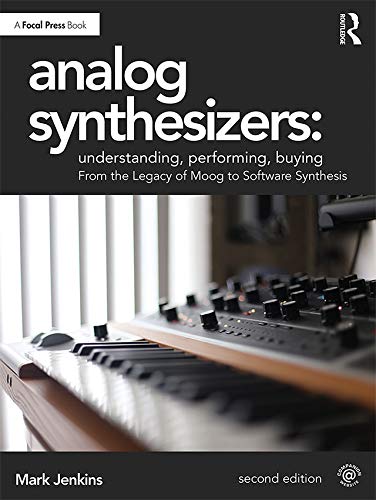
Analog Synthesizers: Understanding, Performing, Buying: From the Legacy of Moog to Software Synthesis
$55.19
Check Price → #2
#2
Runner Up
Analog Synthesizers: Understanding, Performing, Buying : from the Legacy of Moog to Software Synthesis
$45.29
Check Price → #3
#3
Best Value
Analog Modular Synthesizer Panel Electronic Musician T-Shirt
$20.99
Check Price →⚡ Quick Answer
Stepping into the world of synthesizers can feel overwhelming—do you want a vintage Moog sound, a modern FM engine, or something hybrid? The truth is, synthesizers are the heartbeat of modern production, capable of creating everything from lush pads to aggressive basses. Getting it right in 2026 means understanding what features and qualities truly impact your sound and workflow, not just chasing the latest tech buzz.
Table of Contents
As a working musician and studio pro, I’ve spent years dialing in synths for sessions that demand both reliability and inspiring character. This guide isn’t just a catalog of specs—it's a real-world look at what makes a synthesizer stand out in the chaos of a studio, on stage, or during a quick songwriting session.
Our Top Picks in Detail
Affiliate disclosure: if you buy through these links, we may earn a commission at no extra cost to you.
Analog Synthesizers: Understanding, Performing, Buying: From the Legacy of Moog to Software Synthesis
$55.19Check Price →This is the pick to look at first if you want a reliable, well-rounded option that handles everyday use without unnecessary compromises. Analog Synthesizers: Understanding, Performing, Buying: From the Legacy of Moog to Software Synthesis delivers solid performance across the features that matter most in this category.
Analog Synthesizers: Understanding, Performing, Buying : from the Legacy of Moog to Software Synthesis
$45.29Check Price →If the top pick doesn't quite fit your situation, Analog Synthesizers: Understanding, Performing, Buying : from the Legacy of Moog to Software Synthesis is worth a close look as a capable alternative that still covers the essentials well.
Analog Modular Synthesizer Panel Electronic Musician T-Shirt
$20.99Check Price →For buyers who want the most for their money without sacrificing the features that actually matter, Analog Modular Synthesizer Panel Electronic Musician T-Shirt is the practical choice at this price point.
Understanding Synthesis Types
The first step is grasping the landscape of synthesis—subtractive, FM, wavetable, virtual analog—each serving different artistic needs. Subtractive synths, for instance, like the classic Minimoog, excel at warm, thick tones, ideal for basslines and lush leads. FM synths—think Yamaha DX7—deliver bell-like metallic sounds perfect for vintage-inspired or modern digital textures. Wavetable synths, like the Waldorf Blofeld, offer evolving timbres that can breathe life into static sounds.
In 2026, hybrid synths combine multiple engines, giving you vast sound-shaping tools in one box. If your goal is versatility, look for synths that provide seamless switching or layering of different synthesis methods. Remember, understanding the type of synthesis influences how intuitive, expressive, and ultimately useful a synth will be in your hands.
Key Features to Focus On
Nowadays, the bells and whistles matter less than core features that impact tone and playability. An excellent MIDI assignability, hands-on controls (knobs, sliders, touch strips), and modulation capabilities make or break whether a synth becomes an extension of your musical intuition.
In 2026, I’m also looking at how well a synth handles hardware integration—USB-C, CV/Gate outputs, and polyphonic aftertouch are becoming industry standards for serious players. The build quality, portability, and display clarity (small LCDs or OLED screens) also matter when you’re trying to perform or produce with focus and confidence.
Sound Quality & Playability
Sound quality is king—everything else is secondary if the tone doesn’t inspire. A synth’s filter design, oscillator stability, and VCAs figure heavily into how organic or aggressive it sounds. In session, I’ve seen synths that sound modern and crystal-clear one day, dull or harsh the next due to poor oscillator calibration or poorly implemented filters.
Playability is just as crucial. Can you quickly dial in a sound without fighting with menus? Does the keyboard feel responsive? For studio use, multi-timbral capacity and polyphony determine how layered or complex your patches can be without note-dropouts.
Workflow and Integration
In 2026, integration is a game-changer. Features like seamless DAW sync, pattern recording, and MIDI learn functions streamline your creative process. A synth that plays nicely with your existing gear—whether that’s a MIDI controller, external effects, or digital audio workstation—is worth its weight in gold.
Look for features like OSC (Open Sound Control) compatibility, built-in arpeggiators, and scene management. These tools can elevate your live rig or studio patch library, saving you time and expanding your sonic palette. Also, consider how easily updates and firmware support are handled—tech that’s unsupported becomes dead gear fast.
Budget and Future-Proofing
Synth prices in 2026 range from boutique sub-$500 options to high-end instruments costing thousands. It’s tempting to chase the latest flagship, but often a well-chosen mid-tier synth can do 90% of what you need—especially if it’s reliable and has a solid upgrade path.
Be mindful of future-proofing: does it support the latest connectivity standards? Can it integrate with your current setup or expand your rig later? Established brands with good firmware support tend to keep their products relevant longer, so do your homework based on community feedback and manufacturer update policies.
Frequently Asked Questions
What’s the best synthesizer for beginners in 2026?
Look for a synth with a user-friendly interface, good sound quality, and solid build—something like the Korg Minilogue XD or Roland Boutique series. They’re approachable, sound great, and won’t frustrate as you learn the ropes.
Is digital or analog better for studio work?
It depends on your style. Analog synths bring warmth and character, but digital synths often provide more tonal flexibility and memory. A hybrid approach is often ideal—use digital for versatility, analog for that lush, soulful sound.
Do I need a synth with a sequencer?
If you’re producing beats or designing complex automation, a built-in sequencer is a huge advantage. But if you prefer programming from your DAW, you can skip it and focus on sound design.
How important are keys and action?
Extremely. If you plan to perform live or record expressive parts, a keyboard with a good feel—weighted or semi-weighted—matters. For purely sound design, this might be less critical, but never underestimate the tactile experience.
What features make a synth future-proof?
Support for USB-C, MIDI over CV, open standards like OSC, and frequent firmware updates ensure your synth stays compatible and relevant as technology evolves.
Conclusion
Choosing the right synthesizer in 2026 isn’t just about chasing the latest features; it’s about finding a tool that inspires your creativity, integrates seamlessly into your workflow, and stands the test of time. Consider your musical goals, workflow needs, and budget carefully—then seek out a synth that meets those demands with character and reliability.
Start by defining the sounds and textures that move you most, then test gear with those ideals in mind. The perfect synth isn’t just a box of features—it’s the key to unlocking your next musical breakthrough.
Top Picks
Affiliate disclosure: if you buy through these links, we may earn a commission at no extra cost to you.
Analog Synthesizers: Understanding, Performing, Buying: From the Legacy of...
$55.19
View Product Details →Analog Synthesizers: Understanding, Performing, Buying : from the Legacy of...
$45.29
View Product Details →Analog Modular Synthesizer Panel Electronic Musician T-Shirt
$20.99
View Product Details →

