

Drum Machines Buying Guide: What to Look For in 2026
⚡ Quick Answer
In 2026, a quality drum machine isn’t just a device for beat-making—it’s a core tool for producers, live performers, and studio engineers who demand tight, expressive rhythms that cut through mixes or add groove to a performance. The landscape has evolved, blending vintage warmth with cutting-edge digital features, so knowing what to hunt for can mean the difference between a session-winning machine and a confusing, underwhelming box of buttons.
Table of Contents
Whether you're aiming to add a vintage flavor or chase modern, hands-on control, understanding the nuances of sound quality, feel, and integration will help you choose a drum machine that truly elevates your music. Let’s dive into what matters most in today’s market, so your investment hits the right tone and sticks with you for years to come.
Our Top Picks in Detail
Affiliate disclosure: if you buy through these links, we may earn a commission at no extra cost to you.
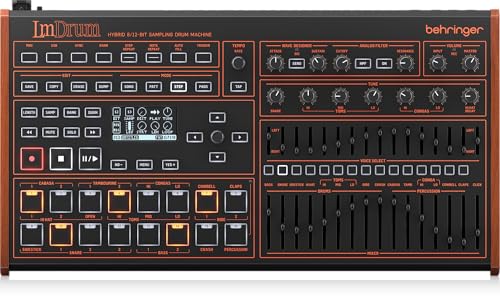
Behringer LM Hybrid Drum Machine
$459.0Check Price →This is the pick to look at first if you want a reliable, well-rounded option that handles everyday use without unnecessary compromises. Behringer LM Hybrid Drum Machine delivers solid performance across the features that matter most in this category.

Behringer LmDrum Hybrid Sampling Drum Machine
$459.0Check Price →If the top pick doesn't quite fit your situation, Behringer LmDrum Hybrid Sampling Drum Machine is worth a close look as a capable alternative that still covers the essentials well.

Arturia DrumBrute Impact Analog Drum Machine
$299.0Check Price →For buyers who want the most for their money without sacrificing the features that actually matter, Arturia DrumBrute Impact Analog Drum Machine is the practical choice at this price point.
Sound Quality & Particles
The heart of any drum machine is its sound engine. Plenty of models in 2026 boast impressive specs on paper—high polyphony, detailed samples, deep synthesis options—but what truly matters is how it feels and reacts in a real session. I look for machines that deliver punchy kicks, snappy snares, and realistic hi-hats that sit well in both club mixes and nuanced song arrangements.
Analog emulations and hybrid models often excel at adding warmth and depth, bringing a vibe that’s hard to mimic with pure digital samples. In contrast, purely digital engines can sometimes sound sterile; but the best modern drum machines use advanced sample layering, multisampling, and modulation to create dynamic, evolving kits that breathe behind your tracks.
Playability & User Experience
Beyond sound, the tactile experience and interface are what make or break your workflow. The best drum machines in 2026 feature hands-on controls—big, responsive pads, dedicated knobs, and intuitive menus—that make jam sessions or songwriting quick and inspiring. Avoid overly complicated menus if you want spontaneity; clear, well-organized controls mean fewer faffing about and more musical ideas flowing.
Think about how the step sequencer feels—machine gun triggers should respond instantly, and pattern editing should be straightforward without digging through layers of menus. A cluttered or cheap-feeling interface will slow down creativity and frustrate you when you're in the heat of a gig or late-night session.
Integration & Connectivity
Modern studios aren’t standalone islands anymore—they’re part of a complex, interconnected setup. Your chosen drum machine should play nice with your DAW, MIDI gear, and outboard hardware. Most models now feature MIDI DIN, USB-MIDI, and CV/gate outputs for modular synths or vintage gear. Seamless MIDI tempo sync is essential—nothing kills momentum faster than timing drift or complicated sync setups.
If you perform live, consider whether it can integrate into your rig via SPDIF, AES/EBU, or has multiple outputs for stereo mixing or routing into effects pedals. Robust, flexible connectivity means your drum machine becomes a part of your broader setup, not just a standalone groove box.
Feature Set & Flexibility
In 2026, versatility is king. Look for a machine with a wide array of kits—both vintage-inspired and modern sounds—plus the ability to customize or even import your own samples. Consider whether it supports user waveforms, granular synthesis, or advanced modulation options, as these allow for evolving textures or experimental shifts in your beats.
Additional features like real-time control over parameters, built-in effects, or step modulation can turn a simple pattern into a complex, lively performance piece. But beware: too many features can dilute focus. The best models keep core functions accessible without sacrificing depth.
Future-Proofing & Reliability
When investing in gear that’s going to anchor your creative process, durability and firmware support matter. The top drum machines in 2026 have solid build quality, long-term manufacturer support, and update pathways that add new features or fix bugs without forcing you to buy new hardware. Firmware updates that enhance sampling, expand effects, or improve MIDI stability are a sign you’re investing in something that can grow with your needs.
Additionally, opt for models with a proven track record—models that have been used on countless sessions and gigs—so you’re not the guinea pig for experimental firmware bugs or hardware failures.
Frequently Asked Questions
What’s the best drum machine for beginners in 2026?
Look for models with a simple interface, intuitive controls, and solid sounds—something like the Roland TR-8S or Arturia DrumBrute Impact. They’re reliable, sound great, and won’t overwhelm new users.
Are hybrid drum machines worth the extra cost?
Absolutely. They combine vintage warmth with modern flexibility—perfect for adding character or depth to your tracks while still offering deep editing options and connectivity.
Should I prioritize sample-based or synthesis-based drum machines?
It depends on your style. Samples tend to sound more realistic and are quick to program; synthesis offers endless sound design possibilities for more experimental or textured beats.
How important are connectivity options in 2026?
Crucial. Your setup’s coherence depends on easy MIDI sync, multiple outputs, and sometimes CV/gate support—these keep your workflow smooth and aligned across gear.
Can a drum machine replace a human drummer?
Not entirely, but the best modern units add enough feel and nuance to get close—plus, they’re invaluable for songwriting, programming, and live performance where consistent, punchy grooves matter most.
In sum, choosing the right drum machine in 2026 isn't just about specs—it’s about feel, integration, and how it inspires your musical flow. Take your time, audition in the context of your setup, and prioritize what helps your music breathe and groove. With the right tool in hand, your beats will hit harder than ever.
Next step? Head to your favorite gear shop or hit up trusted online demos and find the machine that makes your heart race. Let your rhythms drive your sound — the future is ready for you.


