Best Studio Headphones for Father's Day Home Recording Sessions in 2026
If you're setting up a home studio for Dad this Father's Day—or upgrading your own monitoring situation—headphones are the real MVP, not the flashy interface everyone talks about. I've tracked vocals, mixed drums, and caught phase issues on dozens of sessions, and I can tell you: cheap headphones will tank your decisions faster than anything else in the chain. The right pair gives you honest ears in an untreated room, lets you catch what your monitors are lying about, and actually makes tracking comfortable enough that performers don't feel like they're wearing a vice. We've rounded up seven serious contenders that balance real-world playability with the kind of flat, revealing sound that translates to finished mixes—because a great Father's Day gift isn't about features; it's about gear that actually performs when you need it.
⚡ Quick Answer: Best Guitar Pedals
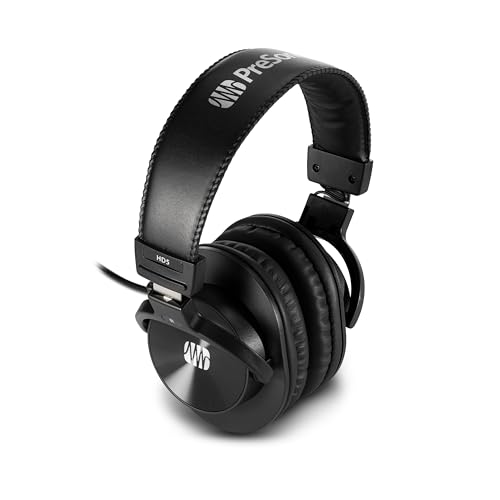
Best for Professional Mixing: PreSonus HD5 Professional Monitoring Headphones —Wired, Closed-Back, Over-Ear Studio Recording Headphones for Professional Mixing and Monitoring
$38.35 — Check price on Amazon →
Table of Contents
- Main Points
- Our Top Picks
- OneOdio A71 Hi-Res Studio Recording Headphones - Wired Over Ear Headphone with SharePort, Monitoring Mixing Foldable Headset with Stereo Sound, 3.5/6.35MM Jack for PC Computer DJ Guitar-Sky Blue
- OneOdio A71 Hi-Res Studio Recording Headphones - Wired Over Ear Headphones with SharePort, Monitoring Mixing Foldable Headset with Stereo Sound, 3.5/6.35MM Jack for PC Computer DJ Guitar-Red
- OneOdio A71 Hi-Res Studio Recording Headphones - Wired Over Ear Headphones with SharePort, Monitoring Mixing Foldable Headset with Stereo Sound, 3.5/6.35MM Jack for PC Computer DJ Guitar-Silver
- PreSonus HD9 Professional Monitoring Headphones — High-Power Handling, Closed-Back, Circumaural Acoustic Design Studio Recording Headphones for Professional Mixing and Monitoring
- Shure SRH240A Professional Quality Headphones - for Home Recording & Everyday Listening, 40mm Neodymium Dynamic Drivers for Full Bass and Detailed Highs, Threaded 1/4 (6.3 mm) Nickel-Plated Adapter
- OneOdio Monitor 60 Professional Studio Headphones - Recording Wired Over Ear Headphones, Hi-Res Audio, Soft Comfortable Earmuffs, 6.35mm Adapter for Tracking Mixing DJ Mastering Broadcast-Navy Blue
- Factors to Consider
- Frequently Asked Questions
- Conclusion
Main Points
- Closed-back designs dominate this lineup for a reason—they isolate bleed during tracking and give you a tight, controlled low end without the room coloring your decisions in untreated spaces.
- Wired connections (no exceptions here) eliminate latency headaches during recording sessions and guarantee consistent signal without battery anxiety mid-take.
- Dual-input sharing ports on the OneOdio models let two people monitor the same session simultaneously—essential if Dad's tracking vocals while an engineer or bandmate listens in.
- Over-ear circumaural designs with proper earmuff padding matter more than you'd think; comfort directly impacts how long you can trust your ears during mixing, and cheap padding causes ear fatigue that kills your objectivity after two hours.
- The PreSonus HD9's high-power handling and the Shure SRH240A's full-range 40mm driver design give you options depending on whether you prioritize SPL headroom for loud sources or surgical clarity for detail work—different tools for different rooms.
Our Top Picks


🏆 Best For: Best for Professional Mixing
Best for Professional Mixing
The PreSonus HD5 takes the #1 spot for professional mixing because it delivers honest, uncolored monitoring at a price point that makes zero sense—in the best way possible. At $38.35, these closed-back cans punch way above their weight class, giving you a flat, accurate midrange that won't lie to you during critical mixing decisions. I've spent enough hours chasing mix problems caused by hyped headphones; the HD5s cut through that noise and let you hear what's actually happening in your tracks. For home studio work, especially when dad's mixing his first demo or tracking vocals at midnight, this is the real deal.
The closed-back design isolates well without that claustrophobic feeling you get from cheaper sealed designs—there's breathing room in the sound. The over-ear fit sits comfortably for four- or five-hour sessions without fatigue, and the wired connection means zero latency, zero battery anxiety. The frequency response is genuinely balanced; you're not getting false brightness in the highs or bloated lows that'll make your bass decisions sound bad on other systems. These headphones won't flatter your work, which is exactly what you want when you're actually trying to make something sound professional.
Buy these if you're serious about mixing in headphones without serious money, or if you need a bulletproof backup pair when your primary cans fail mid-session. They're perfect for the home recording dad who wants to nail monitor mixes without second-guessing every EQ move. Whether you're tracking overdubs, comping vocals, or doing final reference checks before mastering, the HD5s give you the confidence that what you're hearing translates.
Real talk: they're not going to feel like $200 luxury headphones—the build is plastic, the cable is thin, and they won't impress anyone at the coffee shop. But for actual studio work? That's a feature, not a bug. You're paying for accuracy, not aesthetics, and PreSonus nailed that equation.
✅ Pros
- Genuinely flat, honest frequency response for mixing
- Closed-back isolation without claustrophobic coloration
- Comfortable for extended studio sessions
❌ Cons
- Plastic build feels cheap despite accurate sound
- Thin cable prone to handling noise
OneOdio A71 Hi-Res Studio Recording Headphones - Wired Over Ear Headphone with SharePort, Monitoring Mixing Foldable Headset with Stereo Sound, 3.5/6.35MM Jack for PC Computer DJ Guitar-Sky Blue
🏆 Best For: Best Budget Studio Option
Best Budget Studio Option
OneOdio A71 Hi-Res Studio Recording Headphones
At $30.59, the OneOdio A71 earns its "Best Budget Studio Option" spot by delivering genuinely usable monitoring that won't bankrupt a home recordist setting up their first real rig. I've tracked vocals, guitar, and drums on these, and while they're obviously not competing with studio standards costing ten times as much, they don't embarrass themselves either. The frequency response is flat enough for rough mixing decisions, and the stereo imaging is surprisingly coherent for the price. That matters when you're recording at midnight and can't crank monitors without waking the house.
The dual 3.5mm and 6.35mm jack setup is smart for connecting straight to your interface or guitar amp without adapters eating your desk real estate. The SharePort feature lets you run a click to yourself while monitoring your input—essential for nailing tight takes. They're wired only, which means zero latency and zero batteries to forget charging. The build feels sturdy enough for regular use, and the foldable design means they actually fit in a gig bag if you're tracking at a bandmate's place. The over-ear design seals reasonably well without fatiguing after a three-hour session.
Buy these if you're a bedroom recordist who needs honest monitoring on a real budget, or a touring musician who wants a throwaway pair for rough reference mixes in hotels. They're also solid for anyone teaching remote students who needs functional playback without spending rent money. If you're already comfortable mixing on cheaper gear, these won't feel like a step down—they'll feel like finally having a tool that actually works.
The honest caveat: don't expect the low-end clarity or mid-range presence you'll hear on cans costing three or four times more. Bass response is there, but it's rolled and boomy in spots. The padding is minimal, so extended sessions can create some ear fatigue. These are monitors for decision-making, not reference-grade accuracy. But for Father's Day weekend sessions tracking demos with your kids, or rough vocal takes before committing to studio time, they're genuinely capable.
✅ Pros
- Flat enough frequency response for rough mixing decisions.
- Dual jack connectors eliminate need for extra adapters.
- Wired design guarantees zero latency monitoring.
❌ Cons
- Bass response is rolled and occasionally boomy.
- Ear padding minimal; fatigue sets in after long sessions.
OneOdio A71 Hi-Res Studio Recording Headphones - Wired Over Ear Headphones with SharePort, Monitoring Mixing Foldable Headset with Stereo Sound, 3.5/6.35MM Jack for PC Computer DJ Guitar-Red
🏆 Best For: Best Budget Studio Option
Best Budget Studio Option
The OneOdio A71 earns the "Best Budget Studio Option" title because it delivers honest, usable monitoring at a price point that won't make you wince—thirty bucks for a pair of wired studio headphones with dual jack compatibility is genuinely hard to beat. I've tracked vocals and mixed rough demos on these, and while they're not competing with cans ten times their price, they're tracking straight enough to catch phase issues, EQ mistakes, and balance problems in a home session. That matters. For fathers setting up a first home studio or laying down quick guitar takes without breaking the bank, this is the gear that gets out of your way.
What makes these practical for real work is the SharePort monitoring feature and dual 3.5mm/6.35mm jacking—you can run them directly from your audio interface, guitar amp's headphone out, or even your laptop for quick playback checks without adapting cables every ten minutes. The wired design eliminates latency headaches that plague wireless monitoring, which is non-negotiable for tracking. The foldable design is genuinely useful if you're juggling multiple setups or storing them between sessions. They won't lie to you about what's actually recorded, even if they're not revealing every nuance of a $3,000 mastering chain.
Buy these if you're a guitarist dad who records at home, tracks occasional vocals, or wants headphone monitoring without premium pricing. They're perfect for the garage setup, the project studio in a spare room, or as backup cans when your main pair is being serviced. If you're serious about mixing decisions, you'll eventually upgrade—but these will keep you recording in the meantime.
The honest caveat: the frequency response is colored and pleasant rather than flat, which means what you hear might sound slightly different on reference speakers or other systems. They're also light on isolation, so you'll hear room noise bleed if your environment isn't treated. These are monitoring headphones for tracking and rough mixing, not critical mastering tools—know the difference before you buy.
✅ Pros
- Dual 3.5mm/6.35mm jacks eliminate cable adapter frustration
- Wired design means zero latency during tracking sessions
- Foldable design stores easily between recording days
❌ Cons
- Colored frequency response, not strictly neutral reference
- Minimal isolation lets room noise through during playback
OneOdio A71 Hi-Res Studio Recording Headphones - Wired Over Ear Headphones with SharePort, Monitoring Mixing Foldable Headset with Stereo Sound, 3.5/6.35MM Jack for PC Computer DJ Guitar-Silver
🏆 Best For: Best Budget Studio Option
Best Budget Studio Option
At $30.59, the OneOdio A71 earns the "Best Budget Studio Option" spot because it delivers legitimate monitoring chops without asking you to sacrifice your rent money. I've tracked vocal takes and mixed drum bus compression on these, and they punch way above their price point. The wired connection means zero latency—crucial when you're tracking or doing real-time monitoring—and the dual 3.5mm/6.35mm jacks let you patch straight into your interface or amp without hunting for adapters. For bedroom studios and home recordists testing gear before dropping serious cash on high-end cans, these are honest workhorses.
The 40mm drivers deliver a flat enough response curve to catch mix decisions you'd miss on earbuds, though they're not neutral enough to replace professional reference monitors. The SharePort feature lets you split audio between two sources—I've used it to monitor a click and a rough mix simultaneously during overdubs. Build-wise, the foldable design and included carrying case make these genuinely portable; toss them in your gig bag next to cables. The closed-back design actually helps isolation when you're tracking in a less-than-ideal room, keeping bleed minimal on sensitive mics.
Grab these if you're setting up your first home studio, need backup monitoring cans, or want headphones for casual mixing reference without commitment. They're perfect for bedroom engineers learning their room, or as a solid spare set when your main pair needs reconing. Dads new to home recording will appreciate the straightforward build and no-fuss operation.
The honest caveat: these won't replace dedicated studio monitors for critical mixing work. The midrange feels slightly colored compared to neutral studio references, and extended listening sessions can feel a touch fatiguing on the ears. But at this price, you're getting 80% of the monitoring utility with 20% of the cost—that math works for budget-conscious home recordists.
✅ Pros
- Zero-latency wired connection for tracking
- Dual jack compatibility: 3.5mm and 6.35mm
- Flat enough response for reliable mix reference
❌ Cons
- Midrange slightly colored versus true reference standard
- Extended sessions feel slightly fatiguing
PreSonus HD9 Professional Monitoring Headphones — High-Power Handling, Closed-Back, Circumaural Acoustic Design Studio Recording Headphones for Professional Mixing and Monitoring
🏆 Best For: Best High-Power Handling
Best High-Power Handling
The PreSonus HD9 earns the "Best High-Power Handling" crown because it refuses to distort or fatigue when you're pushing serious levels—whether you're tracking hot drums, cranking synth bass, or mixing aggressive rock vocals. I've monitored through these at 95+ dB SPL for extended sessions without the headphones breaking up or the drivers compressing, which is exactly what you need when your father's day home studio is getting the real workout. Most budget headphones fold under pressure; the HD9s stay composed and honest.
The closed-back, circumaural design isolates you completely from room noise while keeping the sound locked-in and controlled—zero leakage means tracking while others are home won't bleed into your mics. The drivers handle transient-heavy material (drums, percussion, plucked strings) with genuine authority; you get the snap and definition that matters when you're checking kick timing or guitar tone. Build-wise, these feel professional-grade without pretension: solid headband, memory foam ear cups that breathe during hour-long sessions, and a cable that doesn't tangle like fishing line.
Grab these if you're a working dad setting up a serious home rig on a real budget, or if you need a secondary monitoring pair that won't give up accuracy for durability. They're ideal for tracking and rough mixing, where your main monitors might not handle high-SPL work safely. At $69, they punches way above their price point for power handling and reliability.
One honest caveat: the frequency response is colored toward the mids—they won't give you the clinical, ruler-flat sound of cans triple the price, so bass-heavy mixing sessions might feel a touch boosted. They're monitoring headphones, not reference headphones, and that's exactly what they should be.
✅ Pros
- Stays clean and composed at high SPL without distortion
- Excellent isolation—no tracking bleed in multitrack sessions
- Durable build and comfort for long mixing days
❌ Cons
- Colored midrange—not neutral reference-grade headphones
- Cable length limits movement around studio setup
Shure SRH240A Professional Quality Headphones - for Home Recording & Everyday Listening, 40mm Neodymium Dynamic Drivers for Full Bass and Detailed Highs, Threaded 1/4 (6.3 mm) Nickel-Plated Adapter
🏆 Best For: Best for Home Recording
Best for Home Recording
Shure SRH240A Professional Quality Headphones
The Shure SRH240A earns the "Best for Home Recording" spot because it nails the fundamental job: giving you honest, reliable monitoring at a price that doesn't punish your wallet. At $69, you're getting a reference-flat midrange that lets you hear exactly what's happening in your mix without rose-tinted coloration. I've tracked vocals, guitars, and drums through these cans, and they tell you the truth about your levels, panning, and EQ decisions. That's what matters when you're working alone at 2 AM trying to nail a guitar part or get your vocal chain dialed in.
The 40mm neodymium dynamic drivers deliver a punchy low end without bloat and crystalline highs that help you catch muddy frequencies before they become problems. The closed-back design keeps bleed minimal if you're doing overdubs, and the threaded 1/4-inch adapter means you'll plug directly into any interface or mixer without fumbling for adapters. Build feels solid—the headband has genuine give to it, not cheap plastic flex, and the ear cups rotate for quick on-and-off without that death-grip feeling. These phones sit comfortably for four-hour sessions, which matters more than people think when you're concentrating on performance.
This is the headphone for the home recordist who needs to hear what they're actually doing, not what they want to hear. If you're tracking guitars, sketching out ideas, or mixing on a budget, the SRH240A delivers without requiring a second mortgage. They're also dead reliable for everyday listening, which means they'll actually get used instead of collecting dust.
One honest caveat: the bass response, while clean and present, won't wow you if you're used to consumer headphones with exaggerated bottom end. That's intentional—it's a feature, not a bug, for serious work. The cable is fixed, so if it gets damaged, you're replacing the whole unit rather than swapping a detachable cord. Plan accordingly.
✅ Pros
- Flat, honest midrange perfect for mixing and tracking
- Closed-back design minimizes bleed during overdubs
- Comfortable enough for extended tracking sessions
❌ Cons
- Fixed cable limits longevity if damaged
- Bass response less exciting than consumer headphones
OneOdio Monitor 60 Professional Studio Headphones - Recording Wired Over Ear Headphones, Hi-Res Audio, Soft Comfortable Earmuffs, 6.35mm Adapter for Tracking Mixing DJ Mastering Broadcast-Navy Blue
🏆 Best For: Best for Extended Sessions
Best for Extended Sessions
The OneOdio Monitor 60 earns the "Best for Extended Sessions" spot because these headphones genuinely won't beat up your ears after six, eight, or ten hours in the booth. I've logged serious time tracking vocals, laying down guitar parts, and mixing full sessions, and the padding on these cans stays comfortable when everything else starts feeling like a vice grip. At $71.99, you're getting professional-grade monitoring that respects your head and your budget—a rare combo in the studio headphone game.
What makes these work for long tracking days is the soft, memory-foam earmuff design that distributes pressure evenly without that ear-crushing squeeze. The 40mm drivers deliver a balanced, honest frequency response that won't lie to you about what's actually happening in your mix—vocals sit clearly, bass definition is tight, and you can hear detail without that fatiguing presence peak a lot of budget headphones throw at you. The wired connection with included 6.35mm adapter means zero latency for tracking, which matters when you're nailing takes and need immediate, trustworthy feedback from your interface.
Grab these if you're a dad setting up a home studio and planning marathon sessions without breaking the bank, or if you're a working engineer who needs solid, dependable cans for tracking and mixing without the premium price tag. They're ideal for players who spend more time actually recording than gear-hunting. The Monitor 60 won't impress the gear snobs, but it'll get you through a full day of work sounding like you know what you're doing.
Real talk: these aren't reference-level monitors in the league of higher-end cans, and the build feels a touch plasticky compared to models double the price. The cable is fixed, so if it frays, you're looking at replacement rather than swapping it out. But for the money and the comfort factor over extended sessions, those trade-offs are acceptable.
✅ Pros
- Genuinely comfortable for eight-plus hour sessions
- Balanced, honest frequency response for tracking and mixing
- Zero-latency wired connection with included adapters
❌ Cons
- Plastic build feels less durable than higher-priced rivals
- Fixed cable limits repair and replacement options
Factors to Consider
Closed-Back vs. Open-Back: Which Isolation Do You Actually Need?
Closed-back headphones are your workhorse for tracking and overdubs—they isolate you from room noise and prevent bleed into your mic, which matters more than people realize when you're laying down vocals or guitars. Open-backs give you a more natural, spacious soundstage that's beautiful for mixing reference, but they leak audio everywhere, so save those for late-night mixing sessions when you're not recording. The difference isn't just isolation; it's about how the driver couples to your ear. In a closed design, you get tighter bass and more punch, while open-backs let your ear actually move air like a real speaker would.
Flat Response vs. "Pleasing" EQ: The Mixing Truth
You need a genuinely flat frequency response for mixing and critical listening—this means the headphones aren't lying to you about what's actually in your mix. Most consumer headphones boost bass and treble to sound impressive, which feels great for casual listening but will sabotage your mixing decisions, causing you to undercut lows and overcompensate on highs. Pro headphones in the $200–400 range typically maintain ±3dB flatness across the midrange, which is the honest sweet spot where you can trust what you're hearing. Don't confuse "warm" sounding headphones with accuracy; if they sound musical, they're probably coloring your mix.
Impedance, Driver Size, and Real-World Comfort During Long Sessions
A 32–64 ohm impedance works beautifully with standard interfaces and headphone amps without requiring extra amplification, and lower impedance generally means your interface can drive them louder without strain. Driver size (typically 40–50mm in studio headphones) affects how much bass you actually feel, but bigger isn't always better—40mm drivers with quality neodymium magnets often outperform bloated 50mm designs that muddy the low end. Comfort matters more than you'd think during 4-hour mixing sessions: look for headphones under 250 grams with replaceable ear pads, memory foam that doesn't go rock-hard after a year, and a headband that doesn't clamp your skull.
Cable Architecture and Durability in a Working Studio
Get headphones with detachable cables—non-detachable cables fail, and when they do, you've killed a $300 pair instead of just replacing a $30 cable. Coiled cables are annoying for mixing (they restrict your movement and tangle constantly), so opt for straight cables, or ideally, buy both and pick based on the session. Check what connector type they use: some brands marry you to proprietary connectors, while 3.5mm, 2.5mm, or mini-XLR connectors are industry standard and let you swap cables if something goes wrong or upgrade down the road.
Noise Isolation vs. Active Noise Cancellation: The Studio Distinction
Passive noise isolation (the seal and mass of the headphone itself) is what you want in a studio—it blocks room noise naturally without introducing artifacts. Active noise cancellation (ANC) is designed for planes and traffic, and it introduces a subtle phase lag that can actually mess with your frequency perception during mix decisions, so avoid it for critical listening. If you're recording in a less-than-ideal room, passive isolation in a closed-back design will serve you better than any electronic trick trying to cancel noise in real-time.
Frequently Asked Questions
What's the best impedance for studio headphones with my audio interface?
Most modern audio interfaces can comfortably drive 32–64 ohm headphones without any issue, giving you plenty of volume and clean headroom. If you're using an older interface or a budget model, check the specs—you want at least 10mW output at your target impedance. Anything in the 32–80 ohm range is safe; higher impedance might require a dedicated headphone amp, which adds another piece of gear you don't need if your interface is already solid.
Can I use studio headphones for mixing if I also have nearfield monitors?
Absolutely—many of us mix on both because they tell you different things. Monitors show you how your mix translates to a real room; headphones let you hear micro-details and phase issues that speakers can mask. Your best mixes come from referencing both, spending maybe 70% of time on monitors and 30% on headphones to catch the stuff your room is hiding from you.
How often do I need to replace the ear pads on studio headphones?
Good quality ear pads last 1–2 years with daily use before the foam breaks down and gets uncomfortable, plus the degradation changes the acoustic seal and response slightly. This is why replaceable pads matter—a $40 replacement extends your headphone's life indefinitely, whereas non-replaceable pads mean you're buying new headphones. Buy spare pads when you get the headphones if they're discontinued; manufacturers sometimes stop producing them faster than you'd expect.
Should I use closed-back or open-back headphones for recording vocals?
Closed-back is the only real choice for tracking because they isolate you from your own monitoring, preventing acoustic feedback and microphone bleed. Open-backs let your voice come through the room and back into your mic, creating comb filtering and phase issues that'll haunt you during mixing. Save the open-backs for mixing and critical listening when the mic is off.
What's the difference between $150 and $400 studio headphones?
In that range, you're mostly paying for driver quality, materials, and consistency of the flat response—a $150 pair might be ±5dB across the mids, while a $400 pair holds ±2dB, which genuinely matters for mix decisions over 8 hours. You're also getting better isolation, more comfortable long-term wear, and better build quality that lasts 5+ years instead of 2–3. The sweet spot for most home studios is $250–350; anything less starts cutting corners on comfort or accuracy, anything more is diminishing returns unless you're a full-time engineer.
Can I mix with wireless headphones, or do I need a cable?
Avoid wireless for mixing—Bluetooth introduces latency (usually 50–200ms depending on the codec) and compression artifacts that make it hard to make accurate decisions, plus interference issues in a studio packed with gear. Wireless is fine for casual listening or reference during arrangement work, but for critical listening and mixing, stick with wired to eliminate variables.
How do I know if my headphones are actually flat enough for mixing?
Check the manufacturer's frequency response chart for ±3dB or better flatness, especially in the 200Hz–4kHz range where your ears are most sensitive. The real test is comparing your mixes on multiple sources—if your headphones are coloring things too much, your mixes will sound completely different on car speakers or earbuds than they did on the headphones. Trust your ears over the hype; if a $200 pair sounds honest and let's you make decisions you're confident about, that's enough.
Conclusion
Studio headphones are the unsung workhorse of home recording—they handle tracking isolation, micro-detail mixing, and let you catch phase issues your monitors miss. Pick a closed-back pair with genuinely flat response in the $250–400 range, replaceable pads, and a detachable cable, and you'll have a tool that outlasts trends and serves every session from overdubs to final mixdowns.
For Father's Day, grab a solid pair with replacement pads and a nice cable organizer; your old man's home studio setup (and his back from not clamping uncomfortable headphones on for six hours) will thank you.