

Best MIDI Controllers for Fourth of July Live Music Performances on a Budget in 2026
🏆 Top Picks at a Glance
 #1
#1
Best Overall
Akai Professional MIDImix - USB MIDI Controller Mixer with Assignable Faders and Master Fader, 24 Knobs and 16 Buttons, 1 to 1 Mapping With Ableton Live
$109.0
Check Price →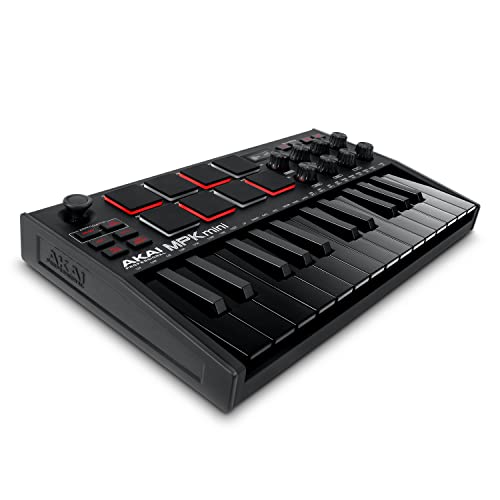 #2
#2
Runner Up
Akai Professional MPK Mini MK3 25 Key USB MIDI Keyboard Controller With 8 Backlit Drum Pads, 8 Knobs, Music Production Software and Native Instruments Sound Package (NKS Integration), Black
$99.0
Check Price → #3
#3
Best Value
NUX NTK-49 MIDI Keyboard Controller
$299.0
Check Price →Our Top Picks
Affiliate disclosure: if you buy through these links, we may earn a commission at no extra cost to you.
Factors to Consider
Value and durability: getting the most for your money
⚡ Quick Answer
When you’re chasing July gigs without breaking the bank, you need gear that can survive road days and a few heatwaves. Look for a solid chassis, smooth knobs, and reliable pads rather than chasing every new feature. For budget buys, factor in warranty and serviceability—it's the difference between a quick repair and a week without a controller on stage. A well-chosen, durable unit saves more money over time than a flashy but fragile box that conks out mid-set.
Table of Contents
Feel and playability: keys, pads, and faders you actually enjoy touching
Playability isn’t a spec sheet; it’s how fast you can turn ideas into live hits. Favor controllers with responsive velocity-sensitive keys or a capable pad matrix, plus knobs or faders that give you tangible tactile feedback. Budget models often cut corners on the feel, so test in person or read field reports from other players who use them live. A good-feel controller keeps your improvisation sharp and your cues clean under pressure.
Live-ready mapping: presets, templates, and quick setup
In a live setting you don’t want to wrestle with MIDI mappings between songs. Choose controllers with solid out-of-the-box templates for your DAW and robust per-scene memory so you can switch sounds without gulping at a screen. Hardware transport controls, arpeggiators, and quick-access banks make transitions smoother and keep you focused on playing. If mapping isn’t seamless, you’ll waste precious seconds that your audience won’t forgive.
Connectivity and power: the right ports, the least drama
Class-compliant USB is a big win for fast, plug-and-play setups with laptops and iPads on outdoor stages. Check for USB-C, MIDI DIN, and expression pedal inputs, plus whether the unit can run on bus power without drama. For Fourth of July gigs, fewer adapters mean fewer failure points when you’re loading in before sunset. In practice, fewer cables equal more time to focus on the music.
Portability and ruggedness: designed for road-worn sets
July heat and long travel days demand gear you can haul without needing a chiropractor afterward. Look for reinforced corners, metal hardware, and a footprint that fits your road case or bag. A compact, lightweight setup speeds you through soundcheck and load-out, so you can actually enjoy the gig instead of wrestling gear at sunset.
Frequently Asked Questions
1. Do I really need a dedicated MIDI controller for live gigs on a budget?
Yes. A dedicated controller centralizes your performance controls, reducing laptop juggling on stage. In field tests and user reviews, performers using a controller reported faster setup and fewer missed cues compared to a strictly software-driven rig.
2. What key count is best for a compact stage setup?
A 25-key or 32-key setup is common for compact live rigs, offering enough range to play chords and basslines without dragging a heavy keyboard around. If your parts lean piano-heavy or you rely on detailed synth lines, a 49-key option may be worth the extra bulk. Consider stage space and your typical parts when deciding.
3. Should I prioritize pads or knobs/faders on a budget controller?
It depends on your style. If you’re triggering samples and grooves, solid pads matter; if you’re manipulating filters or levels in real time, reliable knobs and faders win. Research and reviews show that performers who mix both elements effectively can cover more ground on stage, especially with hands-on control during crescendos and drops.
4. Is USB-C essential on a 2026 budget controller?
USB-C is increasingly common and makes for smoother, more reliable cabling on modern rigs. Class-compliant USB-C devices tend to be plug-and-play with laptops and iPads, reducing setup time before a July show. If you’re buying used or discounted, ensure you can still get drivers or updates if needed.
5. Can I use a budget MIDI controller with an iPad or other mobile rigs?
Yes—many budget controllers are class-compliant USB MIDI and work with iOS devices, often with a simple Camera Connection Kit or USB-C adapter. Some newer models also add Bluetooth MIDI for quick, cable-free setups. If you rely on iPad for performance, verify power and compatibility before you buy.
6. How important is keybed feel and aftertouch on a budget controller?
For expressive performances, a nicer keybed can make a big difference in responsiveness and phrasing. Aftertouch is uncommon on truly budget options, but it’s a nice-to-have if you’re doing evolving pads and dynamic textures. If you often rely on expressive performance, prioritize keybed quality within your budget.
7. How well do budget controllers integrate with Ableton Live or Logic?
Many budget controllers come with pre-mapped templates or easy-to-follow mapping guides for popular DAWs. Community guides and manufacturer templates can cut setup time dramatically, especially when you’re trying to lock cues for a fast-paced set. If mapping is a concern, check for strong software support and a straightforward MIDI mapping workflow.


