

Best Budget Bass Guitars for Memorial Day Outdoor Tributes in 2026
Our Top Picks
Affiliate disclosure: if you buy through these links, we may earn a commission at no extra cost to you.

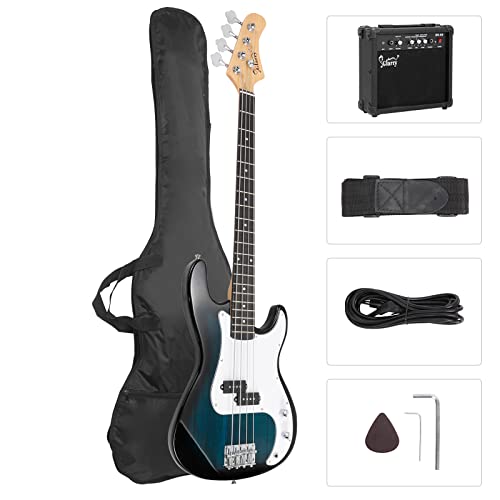

Factors to Consider
Neck Comfort and Playability for Extended Sessions
⚡ Quick Answer
When you're playing outdoor tributes, you're often holding that bass for 30+ minutes straight without a break—so neck profile matters more than people think. Look for a bass with a comfortable C or soft V shape; thin jazz necks feel nimble but fatigue your hand on longer gigs, while chunky necks kill your wrist after a set. Test the nut width too—most budget basses run 1.5" to 1.625", and that extra quarter-inch makes a real difference if you've got bigger hands or play fingerstyle with wide spacing.
Table of Contents
Pickup Configuration and Tone Character
For outdoor memorial events, you want a bass that cuts through acoustically and projects well through modest PA systems. Single-coil pickups (typically P-style or J-style) give you brighter, more articulate tone that travels better outdoors, while humbuckers in the budget range often sound muddy. Most working bassists prefer the versatility of a P/J setup—gives you the woody punch of a P-bass near the neck with the snap of a J-bridge pickup for definition.
Hardware Durability and Tuning Stability
Budget basses can have flaky tuning machines and cheap bridges that shift under string tension, which is a nightmare when you're in the middle of a tribute set. Look for sealed tuning machines (even inexpensive ones hold tuning better) and a solid bridge that won't rattle—many sub-$300 basses cut corners here. Outdoor humidity and temperature swings make tuning stability critical, so don't ignore this unless you want to spend your whole gig fighting pitch.
Weight and Body Comfort for Standing Gigs
A heavy bass feels authoritative in the practice room but becomes a shoulder-killer after an hour standing in the sun. Budget models often use thicker body wood to cut costs, making them heavier than their premium counterparts—aim for something under 9 lbs if possible. Balance matters too; a neck-heavy bass pulls down and fatigues you faster, so hold it before you buy.
Electronics Quality and Output Level
Cheap electronics can sound thin and lack headroom, especially when you're pushing a signal through a PA system for a large outdoor crowd. Mid-range budget basses ($200–$350) often have decent passive circuits, while ultra-budget options under $150 sometimes use thin pots and cheap wiring that create noise or weak output. If the bass sounds thin unplugged, it'll sound thinner plugged in—that's a real limitation on a tribute gig where tone matters.
Frequently Asked Questions
What's the minimum budget to get a bass that sounds professional for outdoor gigs?
You can find a solidly playable bass with decent tone for $180–$250, but jumping to $300–$400 gets you meaningful improvements in hardware, pickups, and playability that make actual gigs easier. Below $150, you're fighting tuning stability and tonal limitations that become exhausting on a live tribute gig.
Should I buy a short-scale bass if I have smaller hands?
Short-scale basses (typically 30") are great for comfort, but they sacrifice some low-end punch and sustain—real tradeoffs when you're outdoors where you need that bottom to project. If you've got reasonably average hands, stick with standard 34" scale and focus on finding a thin neck profile instead; you'll have better tone and more versatility long-term.
Do I need active electronics or will passive pickups work for outdoor memorial events?
Passive pickups are actually your friend outdoors—they're more reliable, don't need batteries to die mid-set, and have a warmer, more forgiving tone that works great for tribute material. Active electronics give you more control but add complexity; save that for studio work or when you're confident in your setup.
What's the difference between a P-bass and J-bass tone, and which is better for tributes?
P-basses have a woody, punchy midrange that sits perfectly in a mix and feels authoritative—they're the workhorse choice. J-basses are brighter and more articulate, which is great for complex lines but can get thin in bigger outdoor spaces; a P/J combo gives you both in one instrument.
How often will I need to adjust the truss rod on a budget bass?
Budget basses sometimes have neck stability issues due to cheaper wood and hardware, so plan on a professional setup ($50–$100) before your first gig to address any relief or fret sprout. After that, seasonal humidity changes might require minor tweaks, but if you maintain it properly you shouldn't need constant adjustments.
Can I gig with a bass I bought used to save money?
Used basses are a smart move if you inspect them carefully—check the frets for wear, make sure the truss rod still adjusts smoothly, and listen for dead spots or rattles. A used bass from a reputable seller often has more character and better components than a cheap new one, and you can return it if there's a problem.
What amp or PA setup do I need to play outdoor tributes with a budget bass?
For outdoor events, you'll typically go through the venue's PA system, so your bass just needs to output a clean signal—a modest 50–100W combo amp works fine for rehearsal and smaller gigs. Make sure whatever bass you choose has a solid output level and doesn't sound thin at volume; that's your real limiting factor, not the amp.
Conclusion
For memorial day tributes, you don't need to spend a fortune on a bass, but you do need one that stays in tune, feels good in your hands for extended sets, and has enough tonal character to do justice to the songs you're playing. Aim for the $250–$350 sweet spot where you get real playability and hardware durability, and always prioritize how it feels and sounds in your hands over spec sheets—that's what matters when you're standing in the sun playing music that means something.


